If you are sitting the PMP after July 2026, this is the version of the PMBOK Guide that will be tested on your exam. The 8th edition returns to the process groups model, following a project from start to finish the way most project managers actually think about their work. Here is a high-level overview of what each phase covers.
Initiating
Two processes kick off the project. The first officially authorizes the project and produces the project charter, giving the project manager authority to use funding and resources. The second identifies all stakeholders who will be impacted and documents them in the stakeholder register. Both set the foundation for everything that follows.
Planning

Around half of the 40 processes live here. The team develops the project management plan, bringing together all the sub-plans into one coordinated document. From there, planning covers the sourcing strategy (previously procurement), stakeholder engagement, communications, scope, resources, schedule, cost and risk.
Notable changes in the 8th edition include scope and schedule being consolidated into fewer processes, and quality and procurement moving out of standalone performance domains. The work breakdown structure is now called Develop Scope Structure and developing the schedule absorbs what were previously four separate processes.
Executing
This is where the work gets done. Key processes include managing project execution, quality assurance, managing project knowledge and lessons learned, engaging stakeholders, acquiring and leading the team, and implementing risk responses. One distinction worth knowing for the exam: quality assurance is about auditing the process while quality control is about making sure the product meets specifications.
Monitoring and Controlling
Running in parallel with execution, this phase keeps the project on track across performance, change control, scope, resources, schedule, finances and risk. Two more terms worth knowing: verified deliverables have passed quality checks, validated deliverables have been formally accepted by the project sponsor.
Closing
The final phase confirms delivery, obtains formal acceptance, closes vendor contracts, captures final lessons learned, transfers the product to operations and archives all project documentation.
– David McLachlan
You can see what people are saying about David McLachlan here: REVIEWS
Navigate to Free Project Management and Leadership Articles through the links on the right (or at the bottom if on Mobile)






Also available are my Project Management Templates – they’re a great way to save 100s of hours when you’re first starting out:
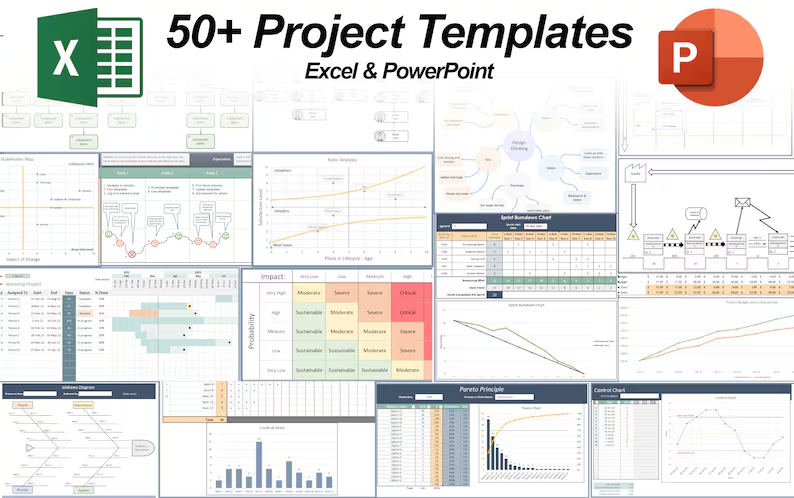 50+ Project Management Templates in Excel and PowerPoint (Gantt Chart, Risk Matrix and more!) 50+ Project Management Templates in Excel and PowerPoint (Gantt Chart, Risk Matrix and more!) |
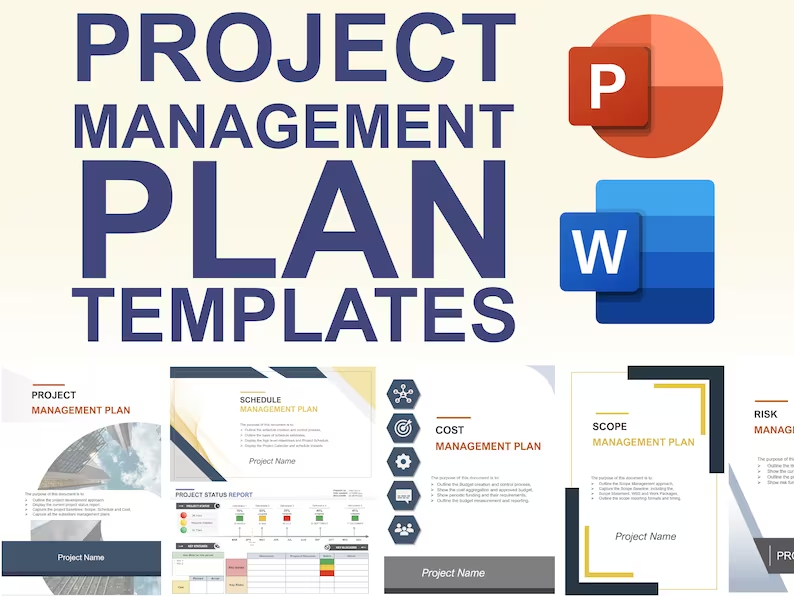 Pre-made Project Management Plan Templates: Save 100 HOURS! Pre-made Project Management Plan Templates: Save 100 HOURS! |