All posts by David McLachlan

Lean CX Vlog 002 – DESIGN YOUR WORK

Are you unhappy in your job?  Do you hate your work?  Is your life boring?  I’ve got something that you may find controversial, and if this is you I want to say that it’s NOT your fault.  Your leader has not intentionally designed your work for ease of use and engagement – probably because they don’t know how.

So the question is – if they’re not going to lead, then who is?  And the answer is YOU.  YOU are the leader your team needs to get intentional about designing your work for ease of use and engagement, and when you do, no matter what industry or work type you are in, you will start enjoying those 8 to 12 hours everyday we call “Work”.

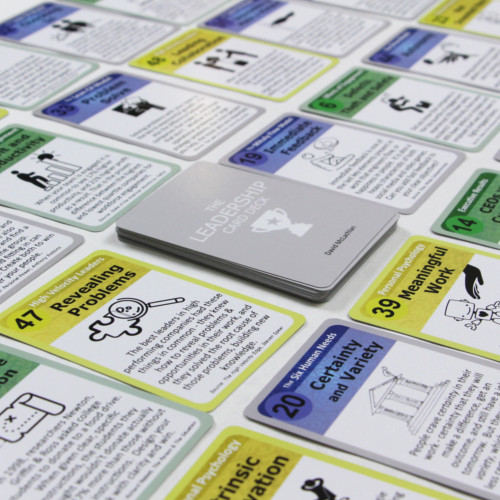
Get the Leadership Card Deck, printed on strong, beautiful linen card, delivered to anywhere in the world.

Get the Lean CX Score, delivered wirelessly on Kindle or in print to anywhere in the the world.

Transcript:

David McLachlan:  It’s an absolutely beautiful morning in the city, this is gonna be a great ride.  But I really want to talk to you about something super important, in fact one thing that we haven’t really spoken about over the last couple of videos is a little thing called designing your work.

Like I said I really want to talk to you about designing your work, and more specifically designing your work for ease of use.  So what does it mean to design your work?  Well think about it from this perspective.  Have you
ever had to call a company, or deal with another department in your company, and you can just tell they don’t really know what they’re doing?  You know, they have to redo things over and over again, they have to hand off to another department or another person, there’s a lot of waiting in between steps and the person that you’re dealing with or even a team or another department, and the person that you’re dealing with is just dragging their feet and everything is too hard for them.  And all of this grates on the experience.

So pretty soon you’re not wanting to do business with these people or this
company because of all of this extra friction, and it’s quite obvious that they don’t like their job.  I’m gonna say something a little bit controversial and that is it’s not their fault.  It’s actually because their process and their work has not been intentionally designed for ease of use.  Because when you design your process in your work and your job for ease of use you’re making things easy naturally so then it wouldn’t matter these things would be easy for that person to do, whether they were having a good day or a bad day.  And we all have bad days but there’s absolutely no excuse for having a bad process.

So why is it important to design your work, and specifically design for ease of use?  Well, a recent study found that more than 50% of people in their jobs
actually don’t know what’s expected of them at work.  And because of that they’re not doing the best job that they can do.  And of course out of those people who don’t really know what’s expected of them at work there’s a higher proportion of people who are disengaged in their work – just like that person we were talking about before who’s dragging their feet and everything’s too
hard.  These are everyday people trying to do a good job but they may not
necessarily be able to, because it hasn’t been made clear what is expected.  The outcomes and the steps have not been made clear.

Disengaged workers  – the impact that has on your business is, their sales rates are lower their productivity is lower.  Happiness has a big impact on your bottom line.  Now look at it from the other perspective as well.  Recent research by Stanford University actually found 35 percent was the difference in results of people who had clear outcomes and people who had not clear outcomes at all.  Teams and companies that didn’t have clear outcomes actually performed 35% worse than people and teams and companies that
did have clearly articulated outcomes and clearly designed steps to get there.

Now there’s another study as well that was done on happiness and flow, and it’s by a great man called Mihali Csikszentmihalyi, and in the 1960s he took a thousand people and interviewed them when they found the most happiness
and meaning in their lives and there were a handful of things, but three of
the most prominent were they had control over the outcome when they were doing the task, they had a clear objective when they were doing the task, just like the Stanford University study and just like the Gallup study as well, and the task gave immediate feedback.  Now all of these things are actually part of the
ease-of-use framework which I’m going to share with you over the next couple of videos.  So everything is starting to tie together all of the research is pointing in a very very very similar direction, and that direction is making sure that we’re clearly articulating things, intentionally designing the work, and
designing it specifically for ease of use.

Now I’m going to go into the five steps of the ease-of-use framework in other
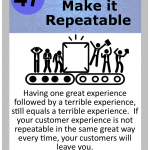
videos but really quickly they are: making your process repeatable so it’s
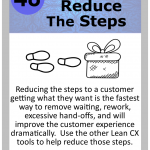
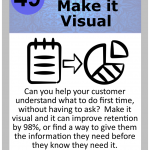
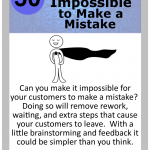
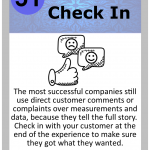
the same great repeatable process every time, reducing those steps to a customer getting what they want, making it visuals so they can see exactly what to do first time without having to ask, making it impossible to make a mistake and checking in so that we know whether they got what they want or not.

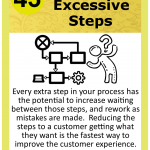
So where do we go from here?  A very simple thing that you can do straight up is just simply write out the steps that you take to perform a few of the tasks in your work and then try and reduce those steps so by reducing the steps you are actually reducing the complexity making things easier just straight off the bat just doing those two things alone will have a massive impact on your business and the rest of it comes down to the ease-of-use framework which I absolutely cannot wait to share with you over the next coming videos.

I hope to see you then, chat soon.

David McLachlan
Playing The Leadership Card Game For The First Time

Playing The Leadership Card Game, With Lean Expert Phil Preston

You may have heard about the Leadership Card Deck – an incredible card deck (and associated, collaborative game and ice-breaker with your teams) that teaches ways to increase motivation and engagement within your teams, as a leader.  And everyone can be a leader.

You can now buy your very own copy of the Leadership Card Deck to improve the leadership ability of the people around you, from almost anywhere in the world on beautiful linen-card paper.  They really are a pleasure to use.

Transcript:

David McLachlan:  Hey everyone I just wanted to show you something that we worked on over the last couple of months and it relates to ease-of-use and it relates to engagement and it relates to disrupting companies, creating disruptive companies and all of those things that come from
ease-of-use and making things easy to do and easy to use.

And come out of it is the the leadership card deck which helps improve the
engagement of your teams, that has huge flow-on effects like improving the
profitability and productivity of your people, making people want to come to
work and do a good job and I had to bring Phil along –

Phil Preston:  Hello!

David:  – because as we’ve been playing we’ve sort of evolved this game from the leadership card deck just by playing it over the last couple of weeks.  And the way it’s evolved is really really great, you’re gonna love playing it as well.  And Phil’s probably one of the best people to play this because he’s probably one of the most hardcore lean practitioners in the southern hemisphere I would say.  He’s had training at Ford, from Toyota guys, he has a manufacturing background but also financial services, formal stuff like Six Sigma and not only that Phil does that as a day job and then teaches lean on the weekends as well, so he can’t get enough of it.

Phil: I am so passionate David.

David:  But also so good at it.

Phil:  Thank you.

David: And that’s how this sort of evolved over the last couple of weeks.

Phil:  I love the game, I’m ready to go.

David:  So did you want to walk people through how we’ve been playing?

Phil: Okay, so we started off with the cards, and on each of the cards is – how would you describe it David?

David:  Oh it’s just a tip, a bit of research or a trick, how to improve engagement how to get the most out of your teams, that sort of thing.

Phil:  So when we initially started playing the game we just picked three cards each and then we would try to make them flow.  But the game’s evolved, where we originally thought it would all start off with the root cause and end up with a solution, but sometimes that’s not always the case.  Anyway we’ll demonstrate to you how this works.

David:  Let’s do it and yeah and that’s why playing with Phil in this manner is such a pleasure because he totally gets it and he gets that improving things just makes the way for making happier staff as well so that’s really one of the greatest treasures that you’ll get out of this I think.  So you said take three cards – one two three – and when Phil says you “make it flow”,  what we’re doing is we’re just arranging the cards in the order that we believe they fit, and you’ll see you can ask your people to do so and you can use this as an icebreaker for a meeting for any sort of you know improvement situation or a talk that you’re giving, you can use this as a great icebreaker for your teams and get them thinking about improvements before you delve into those things or any other meeting that you’re running and you just have your people take the three cards and read out the cards that they get.

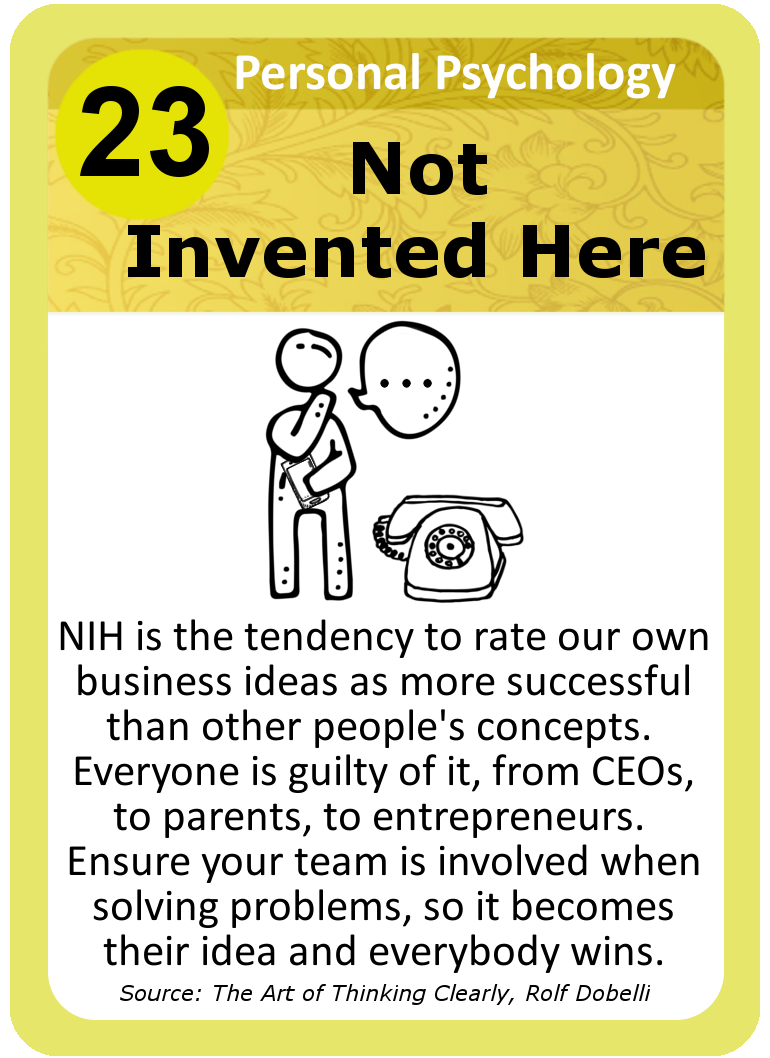
Phil:  Okay so I’ll go first – so Not Invented Here.  Okay and could you just read that little description there David?

David:  Not invented here, the tendency to rate our own business ideas as more successful than other people’s concepts.  So it’s just hard for us to to rate other people’s ideas as better than our own, or take them on board even when sometimes they might be better.  I think we’ve all been there but yeah that’s a really good one.

Phil:  So an unusual mix this time to be fair.  So this is a difficult one!  So not invented here how do we make that consistent with the view to try and improve that concept?

David: So let’s find the cards that work around, that are similar.

Phil:  Okay with this so let’s “make it repeatable”, even though it is a concept and almost the culture of thinking but if we can repeat and embed some form of consistency around that thinking we’ll make it repeatable –

David: – And that helps the not invented here.

Phil:  I think so.

David: I’ve got this one, which I want to sort of bring into the mix as well and it’s the curse of knowledge.  So once you have knowledge of a particular
subject it’s hard to imagine others not having that same knowledge and I
think I mean where where would we put that before or after not invented here?

Phil: I would put it after yeah.

David:  Not invented here caused from the curse of knowledge, solved by making it repeatable in your teams, and then what else have you got?

Phil: To improve the repeatability make it visual.

David: Make it visual so people can clearly see what’s expected of them, that’s fantastic!  Is that all yours?  Phil’s done already. I’ve got two more – mastery which is when your team is able to be to working continuously towards mastering a worthy skill, it’s an intrinsic motivator and it actually motivates people more than money in some cases so working towards a worthy skill if you’ve put all of this in place then you’re working towards mastery, it’s more
of an intrinsic motivator than than money or gifts or bonuses or rewards in
many cases.

Phil:  Yeah that could hover across quite a few to be honest.  Leave it there but I think we leave it at the end because that’s pretty much to where we’re aspiring towards.

David:  I like it!  And lastly sales and satisfaction, as the effects of engagement. I don’t know if you can see that but companies in the top quartile of engagement achieved 10% higher customer satisfaction than companies in the lowest quartile of staff engagement,

Phil: Which leads into mastery because you’ve got autonomy and intrinsically motivated teams.

David:  So your team mates are more engaged, they’re happy to come to work, they’re working on something that’s of value to them and now all of a sudden that impacts the sales and satisfaction of the company as well.

Phil: Yeah so you know you’ve got the – you started off with not invented here which is a sort of culture – a cultural waste in a way – you’ve then got the curse of knowledge as well which how would you interpret the curse of knowledge following that one?

David:   In that people find it hard to see the value in other people’s ideas
above their own.

Phil:  So this is the view together – so make it repeatable then make the thinking repeatable or make the culture repeatable – make the process repeatable – to provide the consistency.

David: And then we’re back into making the process visual, helps people work towards mastery continuously, brings in satisfaction.  And see the way that
that evolved was that and this could go any way because all it is is a discussion around the way we think that it should flow and sometimes people play
it differently.

Phil:  They do but I think that if you look at the real sort of standout aspects of this, is make it repeatable, make it visual, and then master it. I love it, that’s really good.

David:  Thanks Phil, I love your work!

Buy the Leadership Card Deck now!

Leadership Card 27 – What Looks Like Laziness…

See The Leadership Card Deck Here

Leadership Card 27 – What Looks Like Laziness…

Leadership_Card_027_Laziness

Leadership CardsView All The Leadership Cards (48)

- or - Have the Leadership Cards delivered for your next meeting

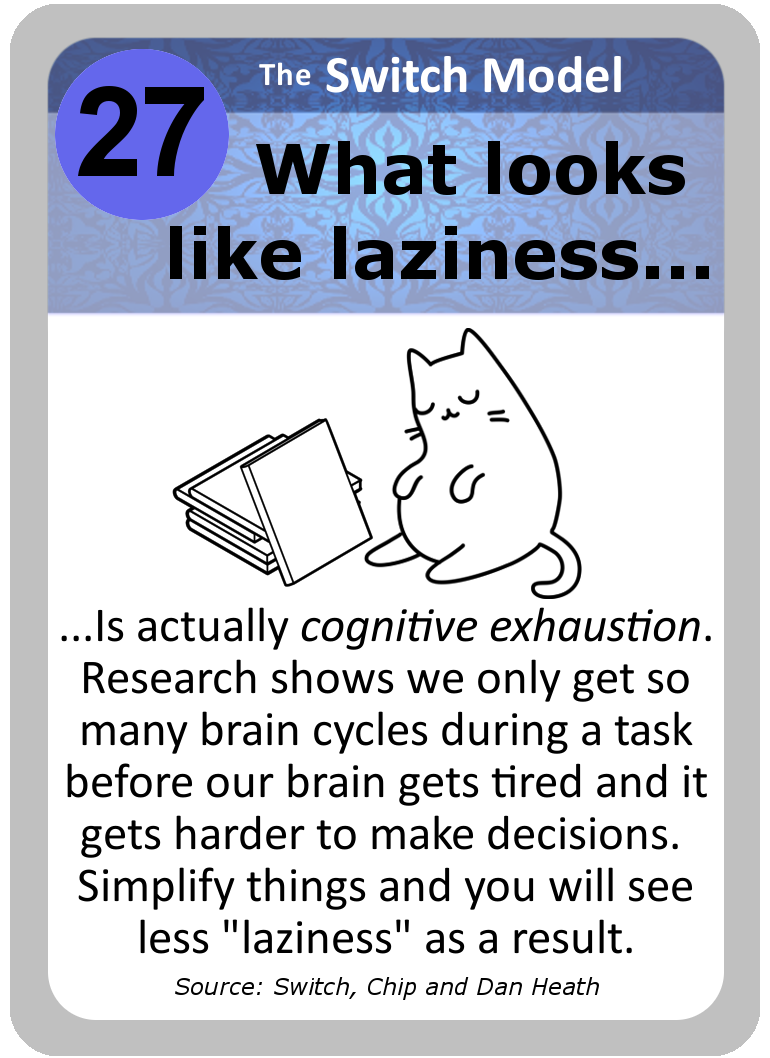
…Often isn’t laziness at all.  It’s cognitive exhaustion.  In other words, our brain gets tired.

Can you remember a time when you had a tough day at work?  Maybe you were solving problems for your customers, which were long, difficult and varied, or maybe you were doing a report or analysis for your boss.  And when you came home all you wanted to do is veg out in front of the television and not have to think any more.  Your brain needed a rest.

Research has shown that when we’re working on things that require complex thought – problem solving, working around things, or deviating from our normal routine, it wears down our ability problem solve or think of complex things.  So when people – whether they are your team or your customers – seem like they’re being lazy there’s a good chance you’ve just made their process too complex, and their brains are running out of steam.

It pays to make things simple and easy to use.  Making things simple and easy to use means your team and your customers are more likely to do the thing you want, and do it more often.

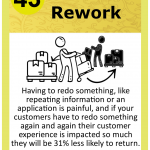
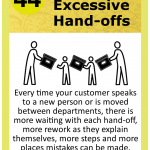
Making things easy to use also helps people form habits around your product or service, as it’s easy to do and easy to come back to time and time again.  And this is where Lean CX and the ease of use framework comes in.  By reducing “waste” in a task – things like rework (having to redo something because of mistakes), waiting, not getting the right outcome, or having excessive hand-offs to many people or excessive steps, you are making things harder.

On the other hand, using Lean CX and making thing standard and repeatable, reducing the steps, making it impossible to make a mistake, making it visual so people know what to do first time, and checking in that people got what they wanted, all help make a process easier.

So I encourage you to think about the processes in your company, and how you can make them easier.  The results you will see will be worth it.

Chat soon – David McLachlan
Leadership CardsView All The Leadership Cards (48)

- or - Have the Leadership Cards delivered for your next meeting

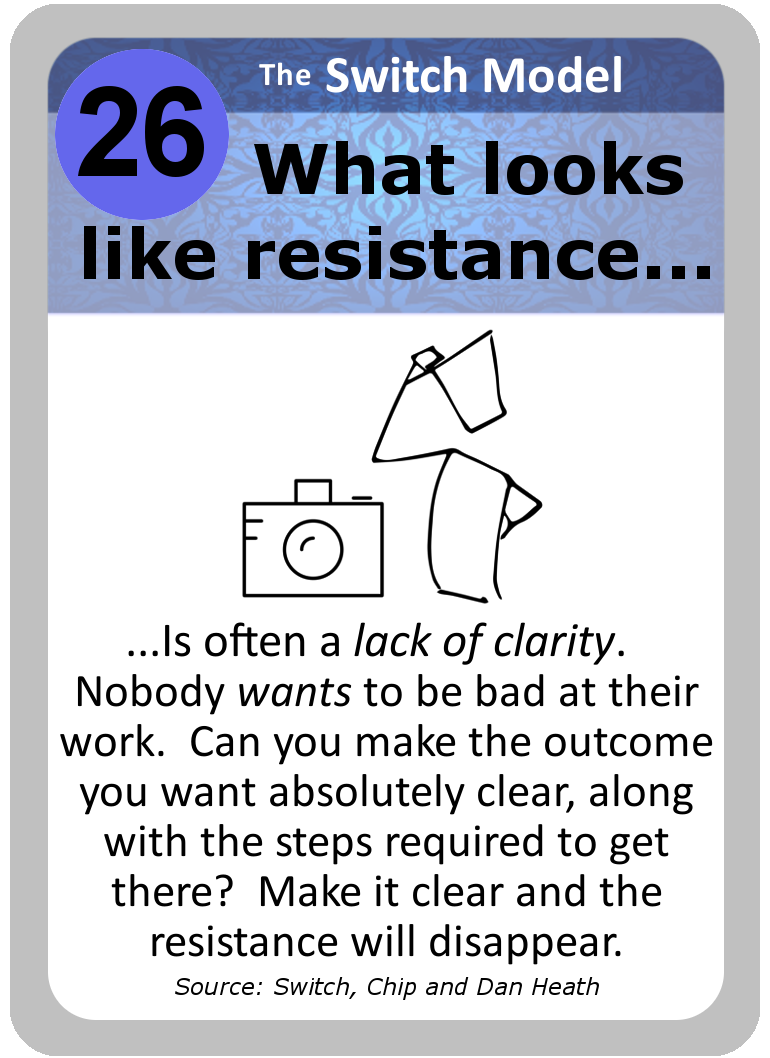
Leadership Card 26 – What Looks Like Resistance…

See The Leadership Card Deck Here

Leadership Card 26 – What Looks Like Resistance…

Leadership_Card_026_Resistance

Leadership CardsView All The Leadership Cards (48)

- or - Have the Leadership Cards delivered for your next meeting

… Is often a lack of clarity.

If you’re not clear on something, how do you know what to do?  In the moment, without trying things out or making mistakes, you don’t.  And more often than not a company will blame the people, when in fact the real reason for mistakes is those people just aren’t clear on exactly what it is they have to do.

And here’s a fun fact: a recent study from Gallup Business Journal found more than 50% of U.S. employees aren’t clear on what is expected of them at work.  Maybe it’s not so much “fun” as it is just a “fact” – especially if you’ve ever experienced it yourself.  It’s like someone telling you to run faster but not telling you where you need to run to.  Not having a clear objective, not having something to aim for or work towards can have a serious impact on the engagement in your team.

A clear objective was also one of the keys to improving results in executives by 35% in Albert Humphrey’s paper on SWOT analysis (being Strengths, Weaknesses, Opportunities and Threats to a business).  Just being clear on where you wanted people to head helped them improve.

If you’re navigating a ship or flying a plane, can you imagine not having a destination in mind?  Well that’s the way most teams operate before working with Ease of Use and Lean CX – they simply run on whatever problem is most pressing at the moment and do their best to put out that immediate fire.  They don’t look at where they’re actually heading.

So give your people clarity.  Make sure they have a clear objective, know what is required, and know the steps to get there.  It will have a huge impact on the engagement and profit of your teams.

Chat soon – David McLachlan
Leadership CardsView All The Leadership Cards (48)

- or - Have the Leadership Cards delivered for your next meeting

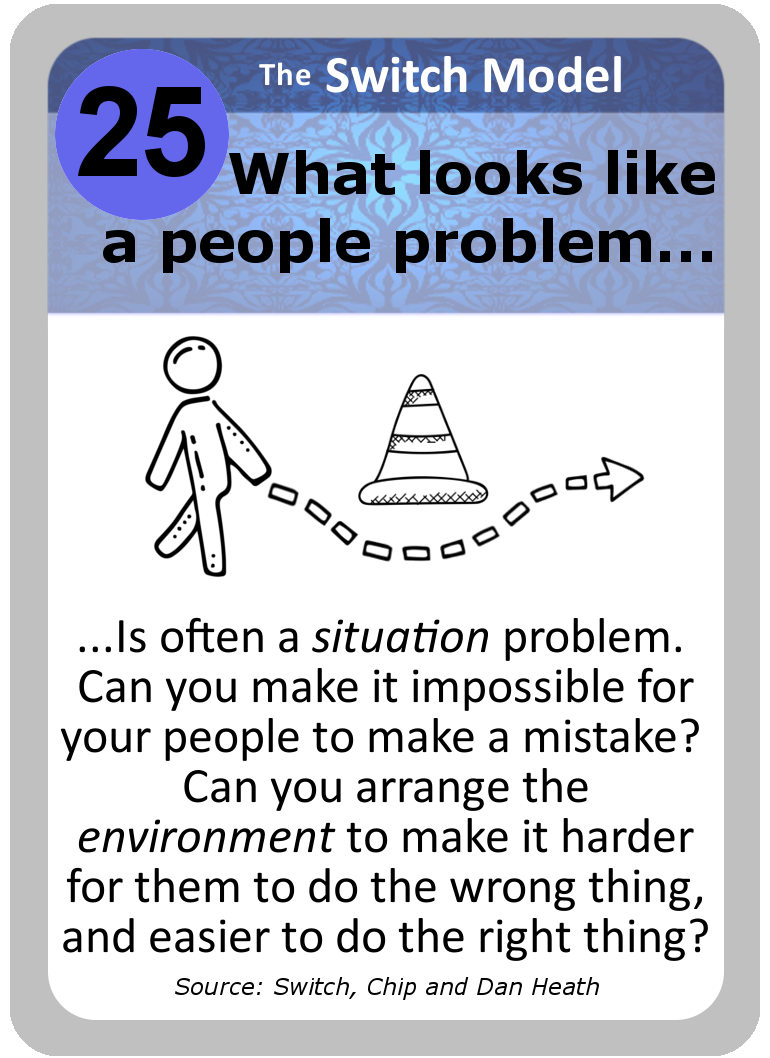
Leadership Card 25 – What Looks Like A People Problem…

See The Leadership Card Deck Here

Ease of Use, Lean CX Leadership Card 25 – What Looks Like A People Problem…

Leadership_Card_025_PeopleProblem

Leadership CardsView All The Leadership Cards (48)

- or - Have the Leadership Cards delivered for your next meeting

…is often a situation problem.  Have you ever had a really bad day – maybe your car breaks down, your boss yells at you, you break your watch and then someone asks you to do something and instead of helping out you yell at them to leave you alone?  And they think “What a rotten guy!” when the reality is you would normally help, you were just having a bad day.  It was a bad situation.

People tend to blame the person, instead of realizing that it’s the situation that is the real issue.  If you were having a great day it would be easy to take on one more thing with a smile.  But the situation made you cranky, and lowered your likelihood of helping as a result.

What looks like a people problem, is often a situation problem.  This is one of the greatest lines from an excellent book – “Switch” by Chip and Dan Heath.  And they make an excellent point.  If you change the situation, more often than not you change the people as well.

This is also where designing your work and your customer experience for Ease of Use comes in.  If the work is easy to do for your teams – with no rework, no waiting, no searching, as few steps as possible, and the right result at the end, then there is a very good chance they’ll do it right and do it more often.  The thing is, most people don’t really design their work at all, let alone get intentional about designing their work for ease of use.

Most leaders just let the work happen, and give some vague outcomes to their team to try and make it work.  In reality they are trying to find the treasure without making a map.

And in most cases, it’s not your fault.  The majority of people don’t know how to define difficult work in a way that reveals solutions to their problems.  Having the right framework, in the form of Lean CX, makes it easy.  By ensuring you have a clear outcome and a clear set of steps to get there, you are closer to getting the right result every time.  But by reducing the steps to getting that outcome, ensuring your staff or people know what to do first time without having to ask, make it impossible to make a mistake, and check in to see if they are on the right track, you will be creating a process that is extremely easy to do and you will see the profit, productivity and engagement flow as a result.

Chat soon – David McLachlan
Leadership CardsView All The Leadership Cards (48)

- or - Have the Leadership Cards delivered for your next meeting

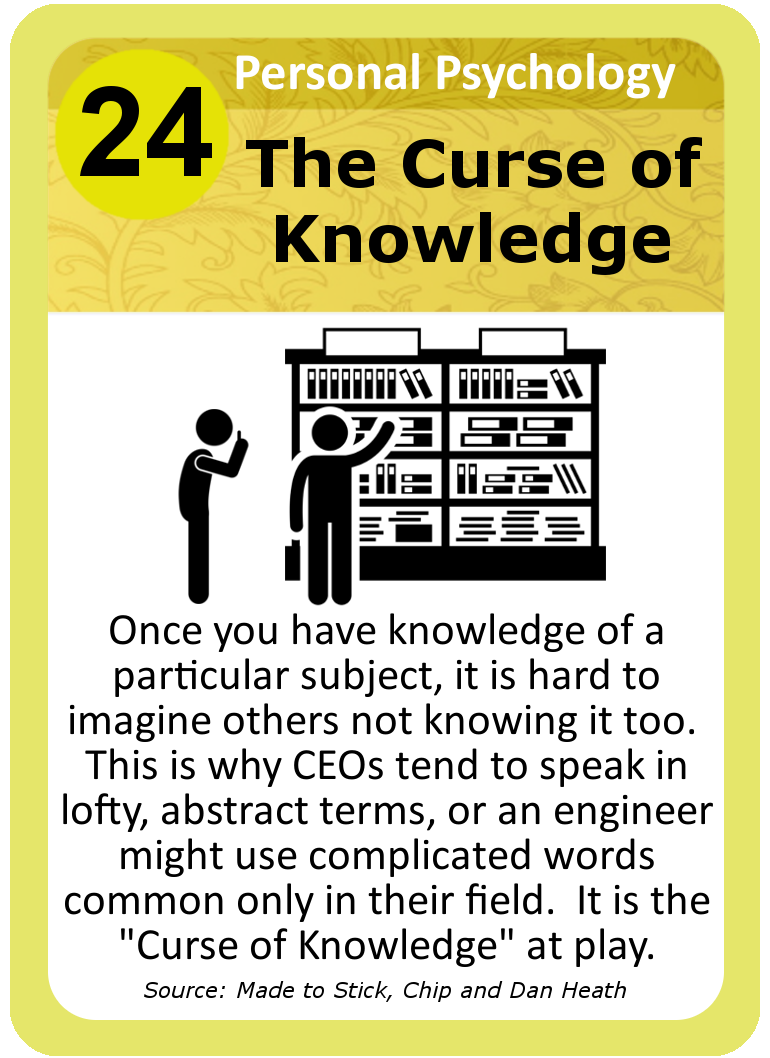
Leadership Card 24 – The Curse of Knowledge

See The Leadership Card Deck Here

Ease Of Use & Lean CX Leadership Card 24 – The Curse of Knowledge

Leadership CardsView All The Leadership Cards (48)

- or - Have the Leadership Cards delivered for your next meeting

Have you ever been speaking with someone, and when you’ve finished you realize you didn’t understand a word they just said?

It probably wasn’t your fault.  There’s a very common personal bias that affects us all, and it’s called the curse of knowledge.  It happens when a person has learned something or been doing something for a long period of time, and it becomes very hard for them to imagine other people not knowing it as well.

You may have experienced jargon or acronyms where people speak in a seemingly secret language without realizing that other people may not know those same acronyms or jargon.

One recent example I had was a large financial company adding a push button menu to their telephone system, so when a customer called through they would have to push a button depending on which department they wanted to go to.  The only trouble was, they used the internal names of their departments, like “operational support” instead of things that a customer could relate to, like “changing their bank account”.  This resulted in customers pressing any button just to speak with someone, and almost every call going through to the default department!  Needless to say, they were then overwhelmed with calls and very disengaged in their work, before we problem solved and found out what was going on.

The curse of knowledge means you have to have empathy for the person you are speaking with, not just speaking with yourself in mind.  That means giving your message in lay-person’s terms for your customers, or for your team, so everyone is clear and fewer mistakes are made.

And what are the benefits of this?

If everyone is clear on what is required, it’s been shown that engagement within your teams is higher, and productivity and profit are higher as a result.  There are studies on engagement, studies on happiness, and business studies from Stanford and they all point to the same thing.

There are fewer mistakes, so less rework in performing the same task over and over, and all of this has an effect on your profit and bottom line.

I encourage you to have that empathy, think of the other person’s point of view, and explain things without the jargon or industry specific terminology if you can.  You’ll be amazed at the results.

Chat soon – David McLachlan
Leadership CardsView All The Leadership Cards (48)

- or - Have the Leadership Cards delivered for your next meeting

Lean CX Vlog 001 – Logging the Journey

It’s About Disruptors and Engagement

Welcome to the first vlog on Lean CX.  This will follow my journey as a Customer Experience practitioner and author.  I’m making these videos to hone the Lean CX message, and log the process of improving companies, people and myself as I go along.

And where do I get to by the end of this video?  That it’s all about Disruptors and Engagement.  Hope you enjoy!

There is more – much more – coming soon.

Chat to you then – Dave

Transcript:

Dave:   It’s still a bit dark in the morning as you can see, but that sunrise even though it’s not as good now was beautiful this morning!  The reason I took you out this morning is that I want to talk to you about something really really important.

(About the Quad Bike Rider) What an awesome job.  Now that guy wouldn’t
have any problem with engagement – he gets to hoon around on a quad bike all day!  That’s pretty cool.

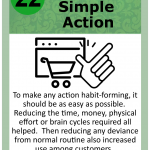
So I want to show you this – I just got – I just got this back from the printers and what it is is a card deck.  It’s the customer experience card deck.  There’s a leadership card deck as well and it goes through all of those ease-of-use principles to make your job easy to do and to make your product easy to take up as well.  But it all comes down to this – I don’t know if you can see it – but a simple action.  And the thing about simple actions is most people when they’re, you know designing their work or trying to get you to do some work or trying to get you to buy a product it’s harder to make something simple to do.  It’s actually harder for us – it takes more effort and more work for us to design it in a way that is very very simple.  And that’s the point – the framework that I’ve designed makes it easier for you to make it easier for
your workmates and for your customers and doing so has a massive impact on your profit.

So I’m sure these first videos are going to be pretty bad, as I just get up to speed and try and hone the message.  Because the message is really clear to
me – we need to make things easy and the easier we make things then the more people are going to do them.  Whether it’s our workmates or whether it’s the customers we want to buy a product or our application or our service.  So ease of use is absolutely everything and these videos are going to help me hone that message and also show you a little bit of Brisbane City which is an
absolutely beautiful city especially in the morning.

If you can imagine when things are easy to do they’re much easier to buy and
much easier for your workmates to perform so you know the profit, the cost
reduction, all those things flow from ease of use in a massive, massive way and
I just want to log the process of me going along this journey and I hope you
enjoy the series because it’s really going to show you how to create
disruptors and also create engagement in your team.

Thank you for watching!

Chat soon – David McLachlan
Leadership Card 23 – Not Invented Here

See The Leadership Card Deck Here

Design For Ease Of Use, Leadership Card 23 – Not Invented Here

Leadership_Card_023_Not_Invented_Here

Leadership CardsView All The Leadership Cards (48)

- or - Have the Leadership Cards delivered for your next meeting

It’s easy to shoot down someone else’s idea.  It’s not so easy to let go of your own.  Don’t believe me?  That’s what the research says.  From studies like the “Wobegon Effect” where almost every student believed they were above average (a feat that is actually statistically impossible, because to have an average you need a large amount of under-performers too) to customer-centric research where CEOs believed they were 70% more likely to give customers a good customer experience than their customers actually rated them, almost everyone overestimates themselves from things like looks, talent (just look at American Idol), skill, and (you guessed it) ideas.

I Didn’t Invent It, So It’s Not That Great?

That’s what most people believe.  But if they did come up with the idea, all of a sudden it’s the best thing since sliced bread.

Have you ever had someone talk your ear off at a party, telling you how they came up with the idea for “x”, but so-and-so “stole” their idea?  Here’s the other part of that equation: Ideas actually are worthless by themselves.  Execution of that idea is everything, which is why hard work matters just as much as smart work.

Help People Come Up With “Their” Idea, And Win

Which is why, as a leader, you can use brainstorming tools or frameworks to steer the conversation or guide the problem that needs to be solved, while allowing the people you are working with to come up with ideas or solutions to their problem.

We’ve all been in a situation where someone outside our team has come in making suggestions, and deep down inside we think “How dare they think they can tell us what to do!”  Even if their ideas are good, it’s hard to take them on because they come from outside.

But help those ideas come from inside, from your team, or the people you want to change, and success will flow much more easily.

Chat soon – David McLachlan
Leadership CardsView All The Leadership Cards (48)

- or - Have the Leadership Cards delivered for your next meeting

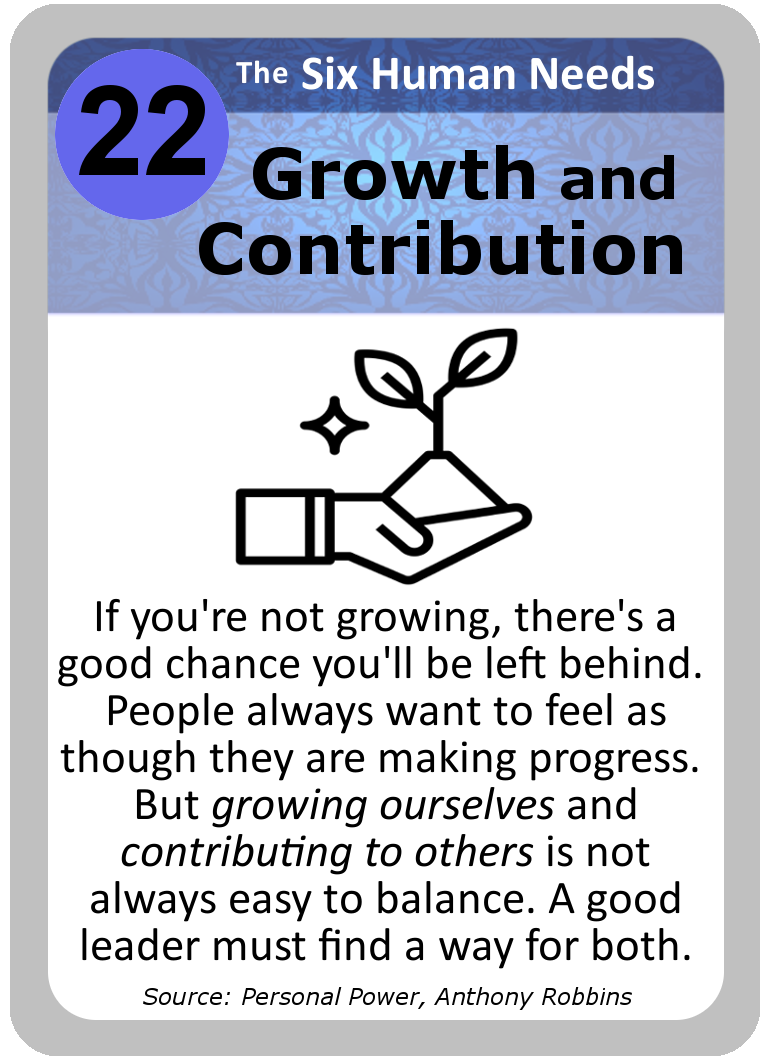
Leadership Card 22 – Growth and Contribution

See The Leadership Card Deck Here

Design For Ease Of Use, Leadership Card 22 – Growth and Contribution

Leadership Card 022 Growth and Contribution Lean CX Ease of Use

Leadership CardsView All The Leadership Cards (48)

- or - Have the Leadership Cards delivered for your next meeting

Engineering Happiness by Using Growth and Contribution

Researchers and business owners alike have found something incredible over the years, and that is that money is not always the answer when it comes to getting the best results from your team.

Sure, you could throw money at something to try and improve it – maybe approve a project, get the latest third party provider to work with you, give bonuses for performance or commissions for certain activities.  But making happiness and engagement come from within has been shown to get far greater results.

People Want To Grow

There’s a great 30 second video by vlogger Casey Neistat that shows him on a treadmill, and says that life is like being on that treadmill.  To stay in one place, you have to keep moving.  If you stop moving, you actually fall behind, you don’t just stay in the same place.  And to get ahead, you have to hustle – you have to run and you have to grow.

When you help the people in your team grow, by focusing on their strengths and enabling them to improve, stretch, and get better, then their happiness actually improves.  And improving their happiness has an affect on your company’s bottom line, with up to 20% more productivity, and improved profit as a result.

People Want To Contribute

Growth isn’t the only thing that motivates your people from the inside out.  Focusing on something bigger than they are – a larger goal that helps others – also gives people the motivation to do better and become more than they are.

It’s not always easy to focus on growing yourself, while also focusing on contributing to others, but if you can find a way to engineer both of these into your work, you will see some stunning results.

How To Do It, Practically?

So how can we do it practically, as a leader?  Checking in with each person in your team at least once a week, and focusing on their strengths, has been proven to improve engagement by up to 27%.  That means getting to know them, making the time to meet with them, and finding a way to use the strengths and passions they have to enable them to grow.

Doing that, you can also set stretch targets or look at ways to grow within those strength areas.

Contributing to others can be aligning your work and processes to how they meet the company’s targets, or how they meet the needs of your customers and the outcomes of helping them.

Most people aren’t aware of these things they can do as a leader to improve their team’s results.   But doing these small things can make the difference between success and failure, and being a mediocre leader or a great one.

Chat soon – David McLachlan
Leadership CardsView All The Leadership Cards (48)

- or - Have the Leadership Cards delivered for your next meeting

The CX Card Deck

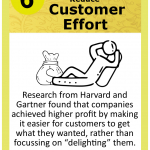
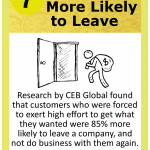
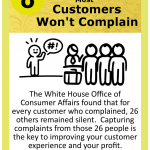
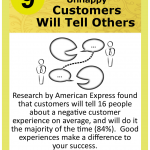
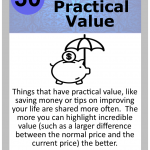
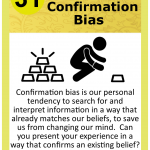
Below is a 52 card deck of Customer Experience tricks, tips, models, frameworks, psychology and research, specially designed as a cheat sheet for you to use in meetings, as ice breakers, or to help make moves in your company.  You can buy the Customer Experience Card Deck now, printed on beautiful, strong, linen paper and delivered anywhere in the world.  A great way to brainstorm UX and CX solutions, they are the absolute best cards I have ever seen, so I know you will enjoy them.
         w-CX_Card_006_Reduce Customer Effort                                        CX_Card_027_Contagious 3 Emotion                   CX_Card_037_Slightly Worse Version               CX_Card_045_LCX Wastes 4 ExcessiveSteps              

Buy the Customer Experience Card Deck now!