If you are working towards something this year, KEEP GOING.
It takes time for the big results to show. All your efforts day by day will build upon each other, compounding and growing until what started out as grass ends up as mountains. I believe in you. You can do it.
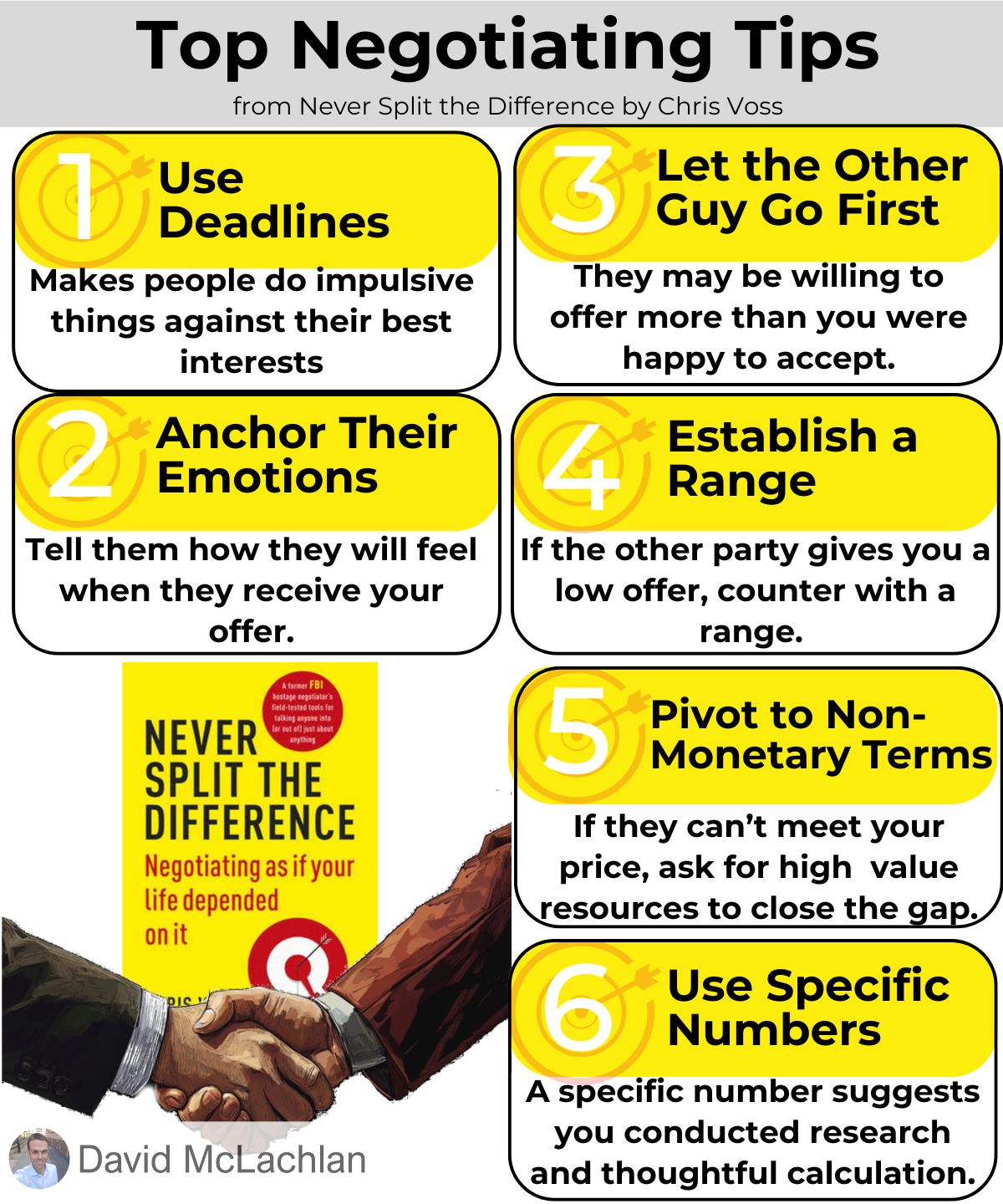
I recently finished “Never Split the Difference” by Chris Voss. Here are a few takeaways to help your next negotiation:
➡️ People use time pressure or deadlines to make the other party do things against their best interest.
➡️ Let the other party commit first – they may be willing to offer more than you were happy to accept, and it gives you information on their position without having to reveal anything yourself.
➡️ Anchor people’s emotions before delivering bad news (like a low offer) – “Oh boy, you’re really not going to like this – I’m almost embarrassed to bring it to you.” “Exaggerating emotions” makes the real thing not look as bad.
➡️ If the other party gives you a low offer, counter with a range. “$4,000? I was expecting more in the range of $5,000 to 6,000.”
➡️ Use Specific / Odd Numbers – it makes it seem like you came to it through research and thoughtful calculation. e.g. $101,890 instead of $100,000.
➡️ Pivot to non-monetary terms – if they can’t meet your price, ask for high-value resources or services to fill the gap. And always ask for a trade-off if conceding something yourself.
Negotiation is a critical skill in Project Management, as you often are accountable for results, but don’t have direct control over many things like Resources or Funding. It’s important that you continuously improve your skills to stay ahead of the game.
“This course is really all you need to pass the PMP. I very much enjoyed the style; the lessons are clear, key terms repeated just enough to get you to remember them without driving your crazy. Lots of positive reinforcement throughout helps you along. I am excited to use all the knowledge I gained in my work!” – Esther, on Udemy.
See hundreds of 5 star reviews for David McLachlan.
Navigating and showcasing data in Excel can be a breeze with the right shortcuts. Whether you’re presenting data to your boss or analyzing large datasets, these handy tips will streamline your workflow and make your reports stand out. Let’s dive into some essential Excel shortcuts to enhance your data management skills.
1. Select Entire Table
To quickly select all your data in a table, use:
Ctrl + A, or
Ctrl + Shift + Spacebar
These shortcuts highlight your entire table, making it easy to apply formatting or make bulk changes.
2. Convert Data to Table
Turning your data into a formal table can help with organization and filtering. Simply press:
Ctrl + T
This converts your selected range into a table, allowing for easier manipulation and formatting.
3. Add Filters
To add filters to your data, which is crucial for sorting and analyzing information, use:
Ctrl + Shift + L
This will add filter dropdowns to your table headers, making it simple to filter and view specific data subsets.
4. Insert a Slicer
For a more visual way to filter data, especially useful in presentations, you can add a slicer:
Select a cell in your table.
Go to the Table Design tab and click Insert Slicer.
Choose the fields you want to filter by, such as “Job Title”.
Slicers make it easy to filter and display data in a way that’s clear and interactive.
5. AutoSum
To quickly calculate the sum of a column or row, select the empty cell where you want the total to appear and press:
Alt + =
Excel will automatically sum up the numbers above or to the left of the selected cell.
6. Find Top and Bottom Values
To find the top or bottom values in a dataset:
Use =LARGE(range, n) to find the nth largest value.
Use =SMALL(range, n) to find the nth smallest value.
For example, to find the top 3 salaries, use =LARGE(range, 1), =LARGE(range, 2), and =LARGE(range, 3).
7. Trace Formulas
To troubleshoot or verify formulas while you’re in a meeting, you can instantly go to where the formula gets its data from:
Press Ctrl + [ to jump to the cells referenced by a formula.
Press Ctrl + ] to see which cells are dependent on the selected formula.
You can also view all formulas in your worksheet by pressing:
Ctrl + `
This shows all formulas in your spreadsheet, helping you audit your data.
8. Trace Formulas with Arrows
To visually trace the relationships between formulas:
Go to Formulas > Trace Precedents or use the shortcut Alt, T, U, T to add arrows showing which cells affect the formula.
This is a great way to identify and correct any errors in your formulas.
9. Create a Pivot Table
For advanced data analysis, create a pivot table by pressing: Alt, N, V, T
This opens the PivotTable creation dialog, letting you summarize and analyze your data efficiently.
Conclusion
Mastering these Excel shortcuts will not only save you time but also help you present your data in a professional and effective manner. Whether you’re preparing for a meeting or just organizing your data, these tips will ensure you navigate and showcase your tables with ease. Happy Excel-ing!
If you’re afraid of receiving a notification from PMI that you failed your PMP audit because your eligibility wasn’t met, you’re not alone. The audit process can be tricky, but with some adjustments, you can improve your application. Here’s a guide to help you meet the PMP requirements and increase your chances of success.
Don’t get Rejected
PMI may reject your application if your project descriptions don’t clearly show that you led a project and fulfilled the duties of a project manager. Even if you didn’t hold the title of Project Manager, you must demonstrate that you led cross-functional teams and managed the project effectively to deliver a change.
Tips for Meeting Eligibility
Detail Your Project Experience:
Length and Detail: Each project description should be around 200 to 500 words. Include key details such as team size, project budget, methodology (waterfall or agile), and the timeline.
Overlapping Time Doesn’t Count: PMI only counts the total of your non-overlapping project time. For example, if you worked on multiple projects that overlapped, you can’t add up their durations. Only count the actual time worked.
Showcase Your Leadership:
Project Description: Clearly state your role in leading the project or change. Even if your title wasn’t “Project Manager,” emphasize how you led teams and managed project delivery across the project phases of Initiation, Planning, Execution, Controlling and Closing.
Project Definition: Ensure your projects are temporary efforts aimed at delivering change or business value, not just routine tasks or operations.
Describe Your Responsibilities:
Project Phases: Break down your responsibilities across different project phases—initiating, planning, executing, monitoring, and closing. Use PMBOK language, tools and techniques to align with PMI’s standards.
Tools and Techniques: Mention any project management tools and techniques you used, such as stakeholder registers, risk management, quality inspections, and work breakdown structures.
Highlight Outcomes:
Success Metrics: Describe the outcomes and benefits of the project. Even if a project wasn’t fully successful, outline what was achieved and how you managed any challenges.
Final Thoughts
Applying for the PMP exam can be daunting, but with the right approach, you can meet the requirements. Focus on detailing your leadership roles, project outcomes, and use PMI’s language to describe your experience. Remember, persistence and attention to detail are key. You’ve got this!
Good luck, and if you have anything you want to add, leave a comment below.
PMP Certification vs. MBA Degree: What’s the Difference?
Many people have asked about the differences between a PMP (Project Management Professional) certification and an MBA (Master of Business Administration) degree. While both focus on business improvement, leadership and value, they have distinct features, costs, and benefits. Let’s break it down!
Overview
PMP Certification: This is a professional certification designed to showcase your Project Management skills. To earn it, you need at least three years of project management experience and 35 hours of project management education. It’s recognized globally, so you can often use it anywhere.
MBA Degree: An MBA is a graduate-level degree that covers a broad range of business topics, including leadership, finance, and marketing. It’s often required for top-level management positions and is also internationally recognized.
Popularity
PMP: There are about 1.2 million PMP certification holders worldwide.
MBA: Approximately 2 to 3 million people hold an MBA, making it one of the most popular graduate degrees. The exact number can vary based on university records and different definitions of MBA completion.
What You Learn
PMP: Focuses on project management processes, frameworks, and delivering business value. You’ll learn about managing scope, schedule, cost, quality, and risk, as well as team leadership and resource management.
MBA: Covers a wide range of topics, including marketing, ethics, organizational behavior, finance and accounting, strategy, and leadership. It provides a broad business education, preparing you for various managerial roles.
Salary Expectations
PMP: The average salary for a PMP holder in the U.S. is around $130,000 per year according to PMI’s latest Salary Survey.
MBA: The average salary for MBA graduates is about $128,129, but graduates from top MBA programs can earn between $205,000 and $231,000. Consultants with an MBA can earn up to $251,000 annually.
Time and Cost
PMP: Costs $655 (or $544 for PMI members) and requires 35 hours of education plus three years of project management experience. It’s relatively quick and affordable compared to an MBA, but is still sufficiently difficult to pass and obtain.
MBA: On average an MBA costs around $56,000 and requires about two years of full-time study or approximately 600 classroom hours. The cost and time commitment are significantly higher than those for a PMP.
Networking Opportunities
PMP: Networking is limited compared to an MBA. While you can connect with other professionals through PMI, the scope is narrower. Some people have mentioned the benefits, as a PMI member, of joining your local PMI Chapter. These can give some networking opportunities to help your career.
MBA: Networking is a major benefit of an MBA. MBA programs often provide opportunities to connect with high level executives, alumni, and mentors through events and alumni networks, which can be invaluable for future career opportunities.
Prerequisites
PMP: Requires three years of project management experience and 35 hours of education.
MBA: Generally requires a bachelor’s degree with a minimum GPA, and some managerial work experience. Depending on the program, you might also need a GMAT score and/or IELTS scores.
Conclusion
Choosing between a PMP certification and an MBA depends on your career goals. The PMP is ideal if you want to specialize in project management and need a slightly faster, more cost-effective credential. An MBA offers a broader business education and more networking opportunities, but at a higher cost and time commitment.
I hope this helps you decide which path is right for you! If you have anything to add, leave a comment below.
Many people have asked how to get into the right mindset for the PMP (Project Management Professional) exam, so let’s dive in. Here’s a quick overview (from the video above) of how to approach the exam with the right mindset. We’ll cover general tips, predictive approaches, and Agile strategies to help you succeed.
General Exam Mindset
The mindset idea is the general approach to a project, leadership and the exam questions that are asked on these things to help you get them right the majority of the time.
Here are some general exam mindset ideas from the video above to help you.
Work with What You’ve Got: Assume that all the info you need is in the question. Sometimes, several answers might seem correct. Rank them from best to worst and pick the best one based on the details given.
Avoid Extremes: Try not to go for extreme actions like closing the project or escalating issues immediately. Instead, aim for answers that focus on problem-solving and collaboration.
Be Collaborative: Project managers don’t have all the answers but can get them. Consult your team for their expertise and always involve the project customer for feedback on deliverables.
Stay Simple and Inclusive: Use simple, inclusive tools and methods. For estimating, bottom-up is more accurate but time-consuming, while top-down is quicker but less precise.
Know Your Framework: Identify whether the project is waterfall, agile, or a hybrid. Look for keywords in questions to determine which approach is being tested.
Predictive Exam Mindset
Here are some Predictive exam mindset ideas from the video above to help you.
Your Project Plan: Always create a plan and follow it. If changes are needed, know the change management process: log the change, assess its impact, get approval from the Change Control Board, and communicate the outcome to stakeholders.
Distinguish Risks from Issues: Risks are future uncertainties; issues are problems that have already happened. Use a risk register for risks and an issue log for issues.
Consult Your Team: For solutions, and for estimations, always get input from your team. Their expertise is crucial.
Closing a Project: Follow proper closing steps, including confirming acceptance with the sponsor, finalizing claims for Procurement, transitioning to operations, documenting lessons learned and archiving project information.
Know Stakeholder Communication Needs: Don’t assume; ask your stakeholders what communication they need and how often. Engage them regularly and update as needed.
Agile Exam Mindset
Here are some Agile exam mindset ideas from the video above to help you.
Be a Servant Leader: Remove obstacles for your team, shield them from external issues, and help them grow. Focus on motivating and supporting your team.
Coach the Product Owner: The product owner prioritizes the backlog. If they don’t know how we must coach them and help them improve. They represent the customer and make decisions on what features to prioritize.
Communicate the Vision Often: Clearly outline the project vision, goals, and communication preferences in the project charter.
Co-locate the Team: Whenever possible, have the team work together in the same space. This improves communication and information flow.
Use Face-to-Face Communication: It’s more effective than emails, allowing you to pick up on non-verbal cues.
Visual Management: Use a Kanban board to track work and identify bottlenecks. This helps the team manage work and solve constraints.
Encourage Safe Disagreements: Create an environment where team members can voice disagreements without fear. This fosters a culture of psychological safety.
Review and Improve: Hold retrospectives to review what’s working and what’s not. Use these insights to continuously improve.
Sprint Reviews: Demonstrate completed items to show real progress, not just reports or showcases.
Final Thoughts
Passing the PMP exam is within your reach! It takes effort and self-belief, but with the right mindset and strategies, you can do it. Keep studying, stay confident, and remember: you can do this.
Project management is a bit like juggling flaming torches—you’re constantly balancing resources, timelines, and expectations, often without having direct control over these things. But fear not! The secret to thriving in this challenging landscape lies in honing your influencing and negotiating skills. Enter Robert Cialdini’s Six Weapons of Influence, a toolkit that’s been a game-changer since 1984. Here’s how you can use these principles to steer your projects toward success.
1. Reciprocation: The Power of Give and Take
Reciprocation is the art of give and take. When someone gives something to you, it often creates a need to give something back.
Ever notice how charities send you a free pen, and then ask for a donation? That’s reciprocation in action. It creates a sense of obligation. In project management, this could come in the form of helping out another team with your resources. When you do this, they’re much more likely to return the favor when you need it.
Pro tip from Cialdini: when someone thanks you, you can reinforce reciprocation by saying, “I’m sure you’d do the same for me.” It subtly sets the stage for future exchanges.
2. Commitment and Consistency: The Power of Small Steps
People are more likely to follow through on a request if it aligns with their past actions, or their self-image. In project management, when you often don’t have direct control, here’s a strategy you can use.
Get people team involved early – if you’re trying to improve a system, start by asking for their input on improvements through a survey. When it comes time to ask for volunteers to help with those changes, they’ll be more inclined to step up because they’ve already committed to the idea, and they want to stay consistent with that initial involvement.
3. Social Proof: The Influence of the Crowd
Social proof means we’re influenced by what others are doing. Have you ever noticed you’re more likely to buy something if you see hundreds of five star reviews? But if there’s only one or two, we hesitate.
If your project involves rolling out a new system and the team is hesitant to use it, try introducing it across the organization gradually. Then showcase successful implementations and have people from the first team share positive feedback to the new teams. When others see their peers benefiting from the change, they’ll be more likely to embrace it themselves.
4. Liking: The Friend Factor
We’re more inclined to say yes to those we like. In project management, this translates to building rapport with key stakeholders. If you’re trying to gain support for a new feature, get to know the influential people involved. Compliment their past achievements, align with their goals, and be genuinely friendly. A little likability can go a long way in winning their support.
5. Authority: The Power of Expertise
Authority means people are more likely to listen to someone with credentials or experience. If you’re pushing for a new framework or tool, flaunt your qualifications. Share your relevant experience, industry standards, and any endorsements from higher-ups. Demonstrating your expertise will make your case more compelling.
6. Scarcity: The Urgency Effect
Scarcity creates a sense of urgency and increases perceived value. If you want your team to adopt a new tool, highlight any limited-time offers or exclusive benefits. Emphasize that the opportunity won’t last forever. By making something seem scarce, you can motivate quicker decisions and actions.
By mastering these six weapons of influence – reciprocation, commitment and consistency, social proof, liking, authority, and scarcity – you can navigate the complexities of project management with greater ease. So, get ready to put these strategies into action and watch your projects thrive!
Keep pushing forward, and remember, with these tools at your disposal, you’re not just managing projects; you’re mastering them.
If you’re working in or studying Project Management, becoming familiar with the Agile Manifesto is crucial. Although it is brief and straightforward, its principles have had a huge impact on project management techniques for more than 23 years now.
The manifesto emphasizes core values like individuals and interactions, working software, customer collaboration, and responding to change, which have proven to be effective when working through complex situations. The only trouble is – as human beings we somehow cannot wait to complicate it again.
We add processes, extra names, extra functions, extra job roles, heck we even add extra departments to handle all this extra stuff we’ve added. The core of the Agile Manifesto is being corrupted, because it is actually hard work keeping things simple.
But the simplicity in the Agile Manifesto highlights a key truth: simple approaches often yield the best results, fostering clarity and efficiency in software development and project management.
Just as simple, refactored code is easier to maintain and less prone to errors than complex code, simple designs are more user-friendly and effective than their intricate counterparts. Embracing the simplicity of the Agile Manifesto allows teams to focus on what truly matters, leading to better outcomes. And doing that often leads to greater success and effectiveness, helping you and your team win.
James Clear’s “Atomic Habits” introduces a transformative approach to habit formation by emphasizing the profound connection between identity and behavior. The core idea is simple yet powerful: our identity shapes our actions, which in turn affect our results, and these results help to reshape our identity.
At the heart of this method is the concept that lasting change begins not with goals but with identity. Clear argues that instead of focusing on what we want to achieve, we should focus on how we see ourselves. This shift from goal-oriented thinking to identity-based habits fundamentally changes how we approach personal development.
Identity Shapes Actions
Clear’s model begins with identity. Our self-perception influences the habits we adopt. For instance, if you identify as a runner, you are more likely to run regularly because it aligns with your self-image. If you see yourself as a healthy eater, choosing nutritious foods becomes a natural extension of who you are rather than a constant struggle. This identity-driven approach to habit formation is more sustainable than relying solely on willpower or external goals.
Actions Affect Results
Once our identity shifts, our actions follow suit. These consistent actions lead to tangible results. In the context of our running example, if you identify as a runner and consistently run, you’ll see improvements in your fitness levels, endurance, and overall health. These results serve as positive feedback, reinforcing your new identity and validating your commitment.
Clear emphasizes the importance of small, incremental changes—what he calls “atomic habits.” These tiny improvements, when compounded over time, lead to significant results. Rather than aiming for drastic transformations, focusing on small, identity-aligned actions ensures steady progress and sustainable growth.
Results Reshape Identity
The results of our actions then reinforce and reshape our identity. As you experience the benefits of your new habits, your self-image evolves. Seeing yourself achieving the goals associated with your new identity strengthens your belief in that identity, creating a positive feedback loop. This loop solidifies your commitment and makes it easier to maintain your habits over time.
For example, if you consistently run and see improvements in your fitness, you not only become more confident in your running abilities but also further internalize the identity of being a runner. This evolving identity makes it even easier to maintain your running routine, as it is now a core part of who you are.
Conclusion
James Clear’s Atomic Habits method underscores the profound impact of identity on habit formation. By focusing on who we want to become, rather than just the outcomes we desire, we align our actions with our self-image, leading to meaningful results. These results, in turn, reinforce and reshape our identity, creating a powerful cycle of personal growth. Embracing this identity-based approach can lead to lasting, transformative change, making it a valuable framework for anyone looking to cultivate better habits and achieve their goals.


 Pass your PMP Audit With These Tips
 PMP Certification vs. MBA Degree: What’s the Difference?
 Nailing the PMP Exam: Your Mindset Guide
 Mastering Project Management with Influence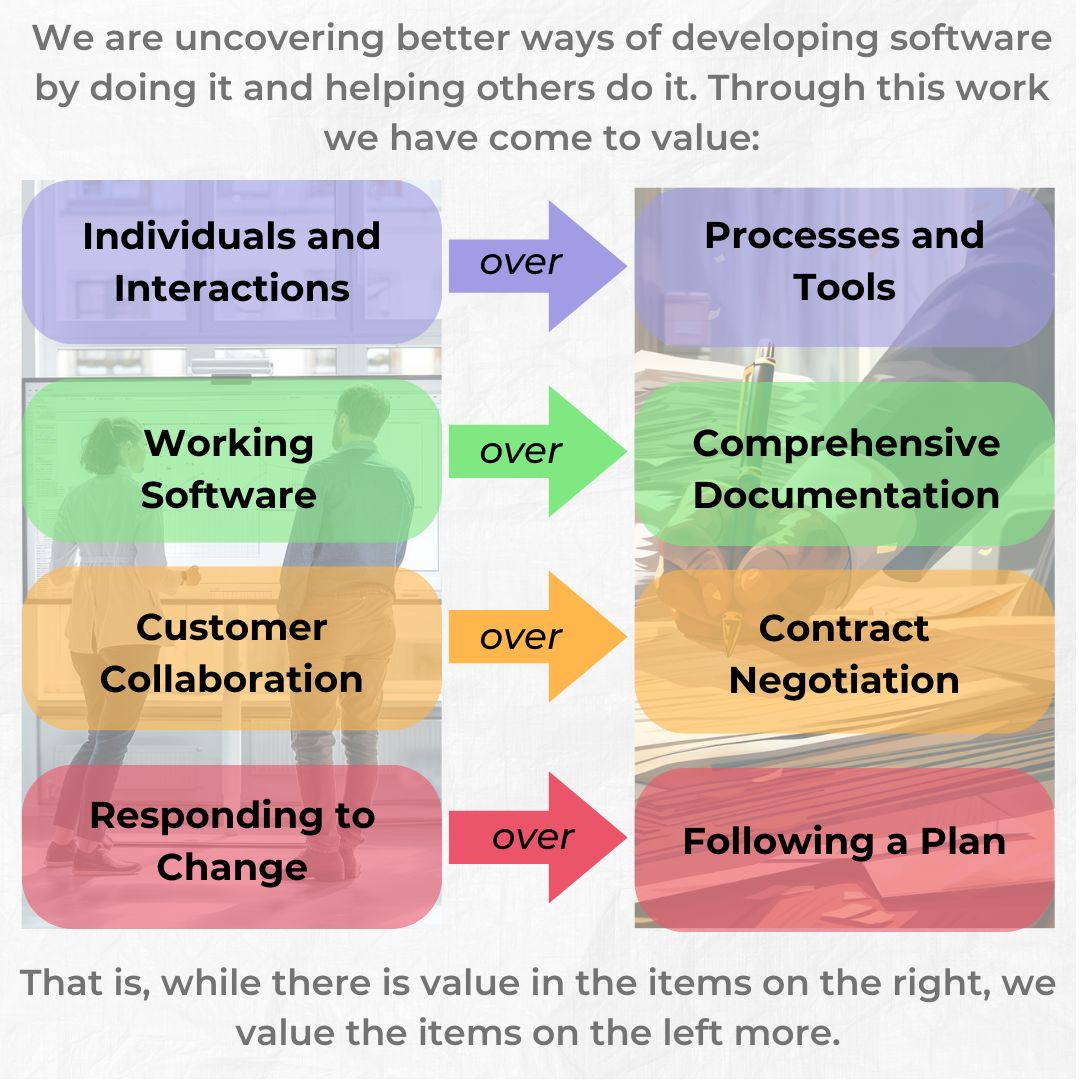
 A Simple Manifesto for Complicated Humans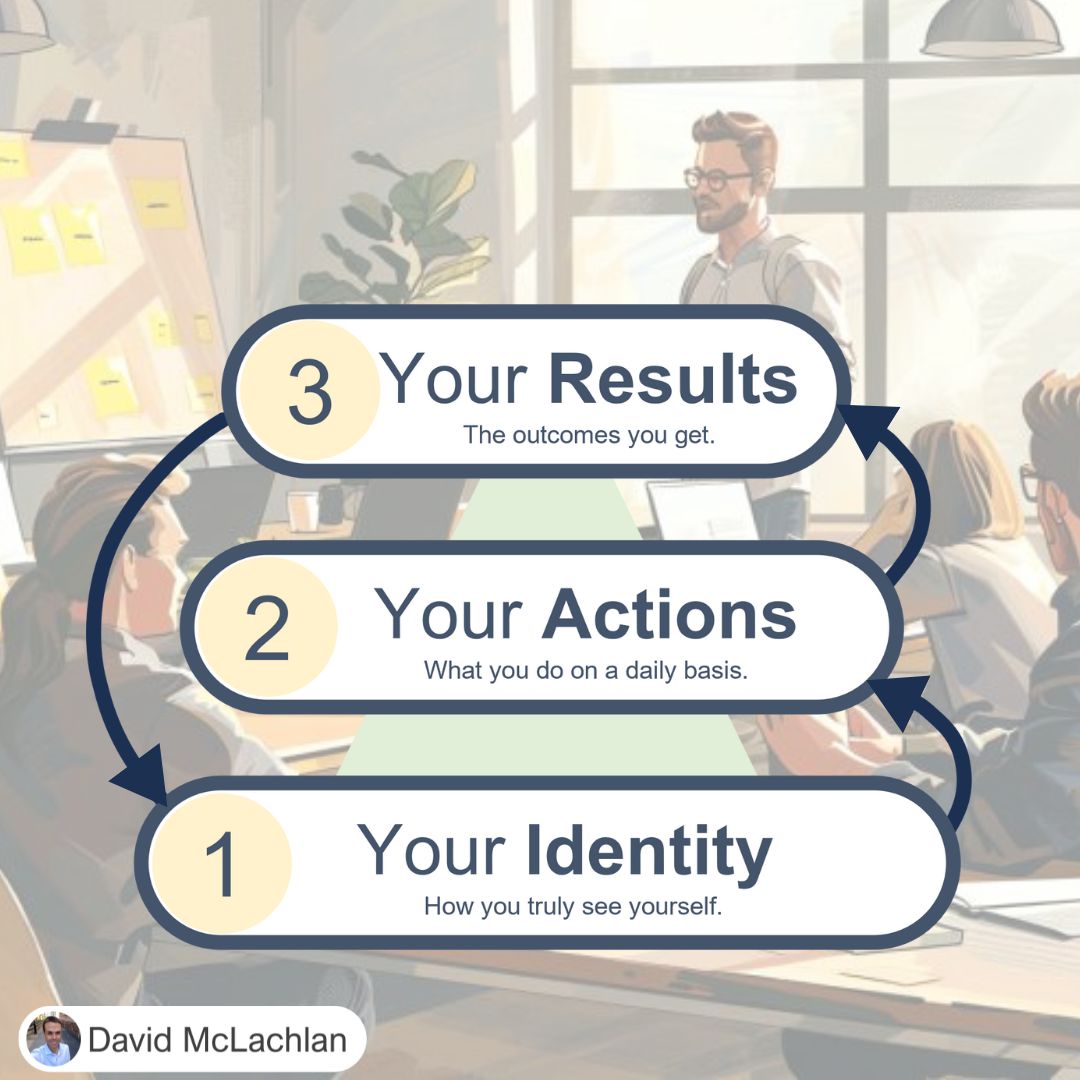
 How Identity Shapes Actions and Results