All posts by David McLachlan

Lean CX Infographic – More Incredible Benefits Of Employee Engagement

Lean CX Infographic Employee Engagement Benefits

Get all the infographics here

Employee Engagement It’s Official: It Matters

Which would you rather, having a team full of people dragging their feet, complaining, making excessive mistakes and who hate coming to work?

Or a team full of highly engaged, happy, motivated people who can’t do enough for you?

Yep, I thought so.  Employee engagement matters, and having a team who is in the top quartile for employee engagement makes a huge difference, not just to your happiness but to your bottom line as well.

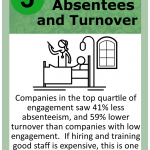
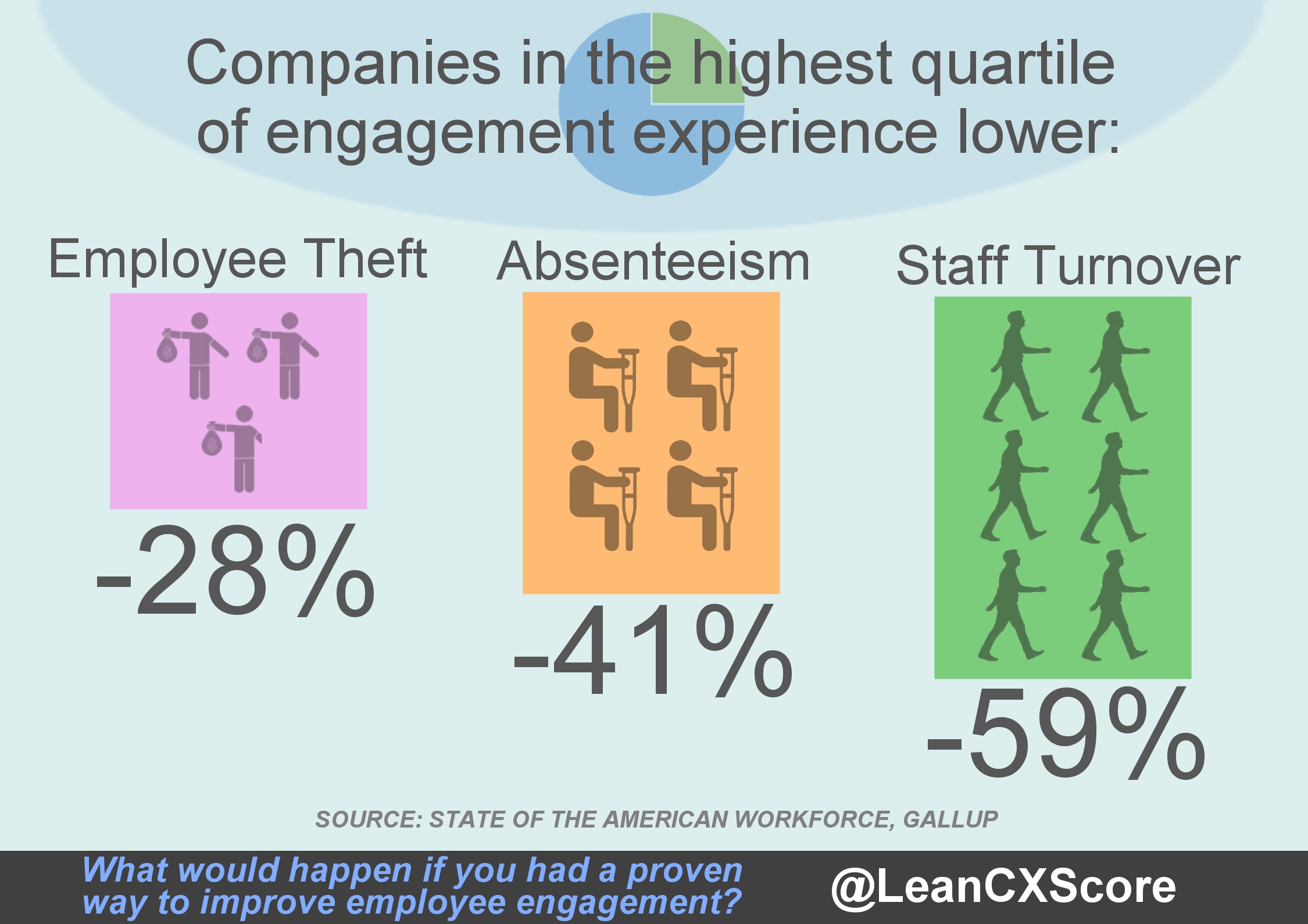
These top companies and teams see 28% less theft.  41% less absenteeism, meaning more and more staff turn up to do their work because they enjoy it.  And a whopping 59% lower staff turnover.

And do you think these things affect your profit and cost as a company?  You bet.  How much does it cost to advertise, interview, hire, train, and level up a new person to replace someone previously?  And how much do staff accidents and even a little bit of theft here or there really cost?  It’s more than you think.  And it can be avoided by focusing on engaging your employees.

What Engagement Doesn’t Mean

Now I’m not talking about the latest rah-rah retreat, where everybody gathers around, drinks smoothies (or cocktails) and whiteboards a bunch of baloney that will never get done.

No. Freaking. Way.

I’m talking about culture.  But not “Culture” as a broad, flimsy, consultant-type term.  Oh no.  I’m talking about culture where I can give you specific steps that anyone (and everyone) can perform every week to create a culture of high engagement and problem solving.

It’s called Designing your work for Ease of Use.

Designing Your Work for Ease of Use

Designing your work for Ease of Use is one of the easiest, fastest, and cost effective ways to improve the engagement of your team and the profit of your company.

The Ease of Use framework may seem simple, but its methods are based on research such as that above, where we are looking to improve the engagement of your teams and make the people you work with happier (and more productive) as a result.

Having a standard, repeatable process with clear outcomes may seem boring or simple, but did you know that 50% of American workers don’t know what is expected of them at work?

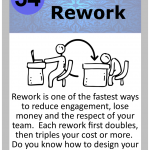
Making things visual so you know what to do first time without having to ask may seem mundane, but did you know that every time you have to redo something you’re not sure of, you are effectively doubling, tripling, quadrupling your cost for the same outcome?

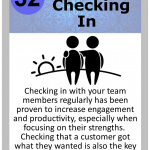
Checking in regularly may seem unnecessary to some, but did you know that leaders who check in at least once a week with their team mates and focus on their strengths see a 27% increase in engagement?

Designing your work for ease of use matters.  It makes a difference.  And as it improves the ease of the work your team performs, it reduces their frustrations and improves their happiness too.

Chat soon – David McLachlan

Get all the infographics here

Lean CX ScoreGet "The Lean CX Score" now, and start creating disruptors in your industry that completely annihilate your competition.

Oh and good news!  You'll be improving the speed, morale and engagement of your teams at the same time.  Get the Lean CX Score now.
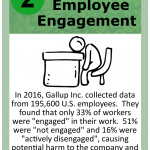
Leadership Card 2 – Levels Of Engagement

See All The Cards Here

Design Your Work For Ease of Use, Leadership Card 2

Ease of use leadership card 2 Levels of engagement

Leadership CardsView All The Leadership Cards (48)

- or - Have the Leadership Cards delivered for your next meeting

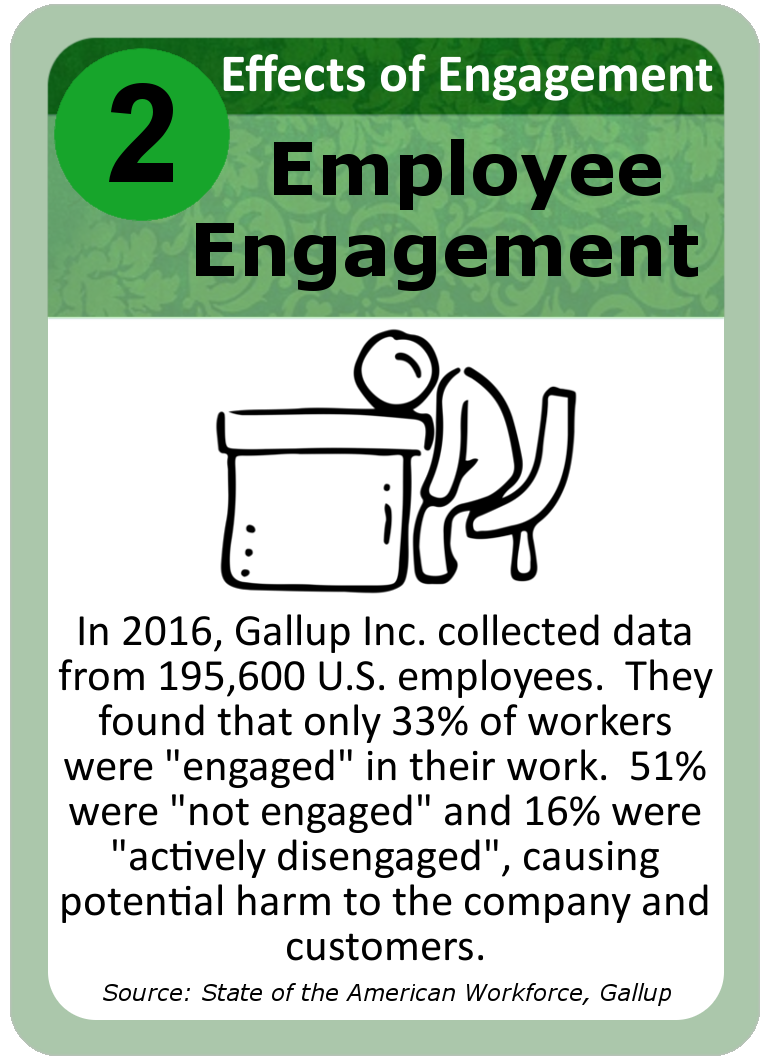
Recent research has found that the majority of workers are not “engaged” in their work.  By engagement we mean they know what is expected of them, have the tools to do their work and enjoy their work.

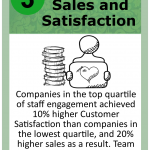
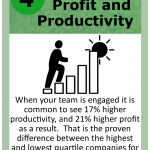
The effects of low engagement can be huge on a company.  As you will soon see in future Leadership Cards, sales are lower, productivity is lower, and absenteeism is higher.  It’s a hidden cost that leaders may believe they have no control over, however by being intentional about designing your work for ease of use, using the ease of use framework, you can significantly improve the engagement of your teams.

Chat soon – David McLachlan

Leadership CardsView All The Leadership Cards (48)

- or - Have the Leadership Cards delivered for your next meeting

Leadership Card 1 – Introduction

See All The Cards Here

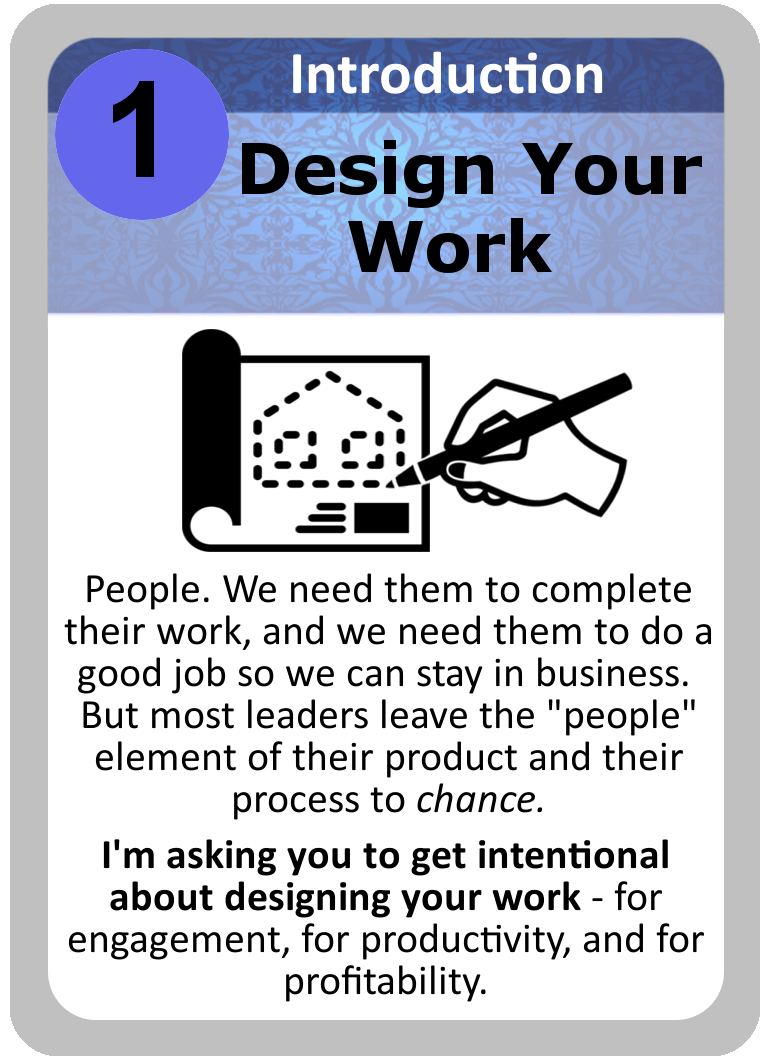
Welcome to the first Leadership Card by David McLachlan.

So many studies have shown the benefits of intentionally designing your work, designing your customer experiences, and designing your products for Ease of Use.  Huge benefits, like outperforming other companies in the stock market by 76% on average over five years (during market crises too), enabling customers to stay for six years on average (instead of just one), and much much more.

The Leadership Cards will bring you research and frameworks, packaged in a neat card for you to collect each week as you improve your business, your leadership, and your life.

Please enjoy!

Leadership Card Deck 001 Introduction - Lean CX Ease of Use

Leadership CardsView All The Leadership Cards (48)

- or - Have the Leadership Cards delivered for your next meeting

Chat soon – David McLachlan, author of the Lean CX Score

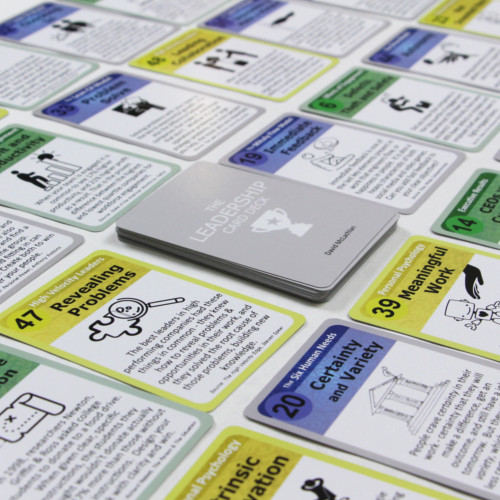
The Leadership Card Deck

Click on the cards below for their full information

Update: You can now buy the full Leadership Card Deck of 48 cards, printed on super-strong, beautiful linen paper from anywhere in the world.  You can also watch us playing the Leadership Affinity card game for the first time.  It will raise your leadership level, and the engagement, motivation and leadership level of your teams.  Have the Leadership Cards delivered for your next meeting!

Leadership Card Deck Back

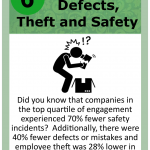
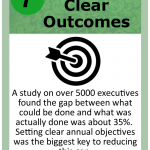
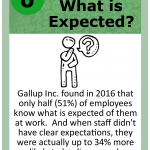
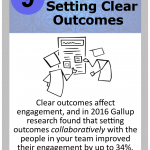
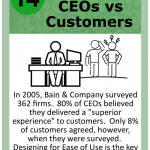
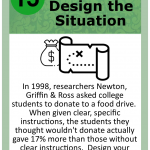
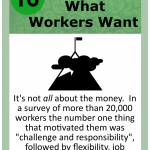
Leadership Card Deck 001 Introduction - Lean CX Ease of Use Leadership Card 002 Lean CX Ease of Use Employee Engagement Leadership Card 003 Lean CX Ease of Use Sales and Satisfaction Leadership Card 004 Lean CX Ease of Use Profit Productivity Leadership Card 005 Lean CX Ease of Use Absenteeism Turnover Leadership Card 006 Defects Theft Safety - Lean CX Ease of Use Leadership Card 007 Clear Outcomes - Lean CX Ease of Use Leadership Card 008 What is expected - Lean CX Ease of Use Leadership Card 009 Setting Clear Outcomes - Lean CX Ease of Use Leadership Card 010 Tie outcomes to meaning - Lean CX Ease of Use Leadership Card 011 Empathy and Clarity - Lean CX Ease of Use Leadership Card 012 Checking In - Lean CX Ease of Use Leadership Card 013 Focus on Strengths - Lean CX Ease of Use Leadership Card 014 CEOs Customers - Lean CX Ease of Use Leadership Card 015 Design the Situation - Lean CX Ease of Use  Leadership Card 016 What Workers Want - Lean CX Ease of Use Leadership Card 017 Intense Focus on Activity - Lean CX Ease of Use Leadership Card 018 Clear Objective - Lean CX Ease of Use  Leadership Card 019 Immediate Feedback - Lean CX Ease of Use Leadership Card 020 Certainty Variety - Lean CX Ease of Use Leadership Card 021 Significance Connection - Lean CX Ease of Use Leadership Card 022 Growth Contribution - Lean CX Ease of Use Leadership Card 023 Not Invented Here - Lean CX Ease of Use Leadership Card 024 - Curse of Knowledge - Lean CX Ease of Use Leadership Card 025 What looks like a people problem - Lean CX Ease of Use Leadership Card 026 - What looks like resistance - Lean CX Ease of use Leadership Card 027 What looks like laziness - Lean CX Ease of use Leadership Card 028 Make it Repeatable - Lean CX Ease of Use Leadership Card 029 Reduce the steps - Lean CX Ease of Use Leadership Card 030 Make it Visual - Lean CX Ease of Use Leadership Card 031 Impossible to make a mistake - Lean CX Ease of use Leadership Card 032 Checking In - Lean CX Ease of Use Leadership Card 033 Problem Solve - Lean CX Ease of Use Leadership Card 034 Rework - Lean CX Ease of Use Leadership Card 35 Excessive Hand offs - Lean CX Ease of Use Leadership Card 36 Waiting - Lean CX Ease of Use Leadership Card 037 Excessive Steps - Lean CX Ease of Use Leadership Card 038 Not getting what they want - Lean CX Ease of Use Leadership Card 039 Meaningful Work - Lean CX Ease of Use Leadership Card 040 Two Times Revenue - Lean CX Ease of Use Leadership Card 041 Million Dollar Checklist - Lean CX Ease of Use Leadership Card 042 Assertive Enquiry - Lean CX Ease of Use Leadership Card 043 Intrinsic motivation - Lean CX Ease of Use Leadership Card 044 Autonomy - Lean CX Ease of Use Leadership Card 045 Mastery - Lean CX Ease of Use Leadership Card 046 Purpose - Lean CX Ease of Use Leadership Card 047 Revealing Problems - Lean CX Ease of Use Lean CX 040 Leading Collaboration - Lean CX Ease of Use 

Lean CX: Recognise Disruptors Before They Become A Reality

Recognise disruptors before they become a reality.

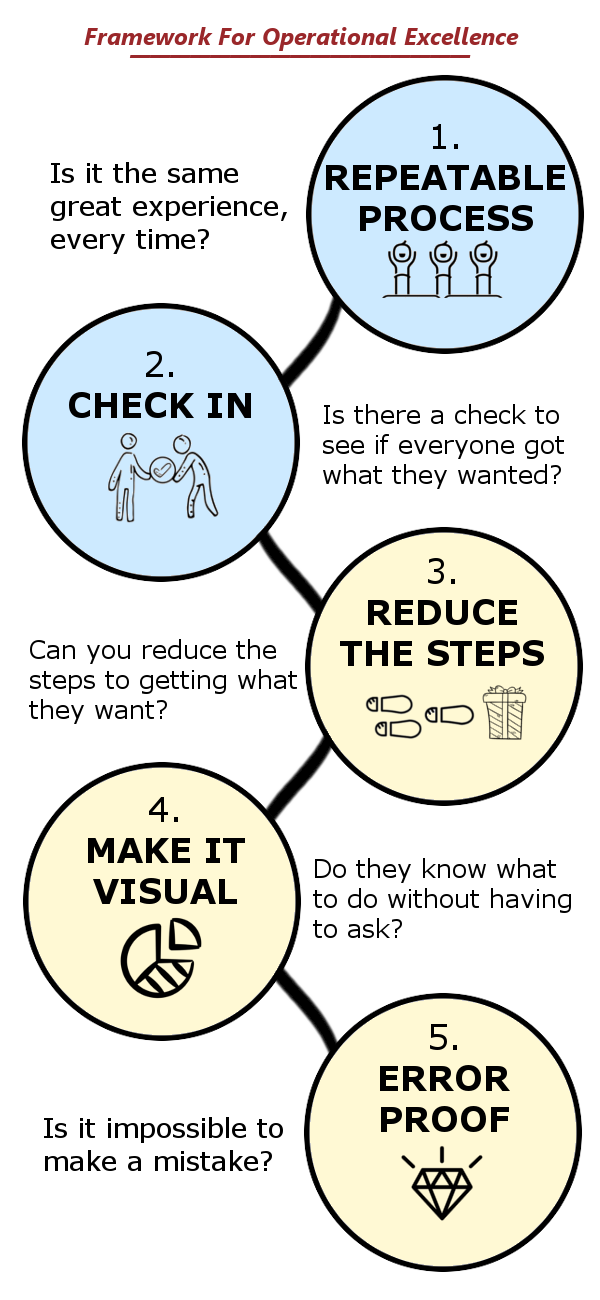
Lean CX is a step by step framework for Operational Excellence and how it relates to disruptive companies and technologies – especially as they grow and are ready to scale.

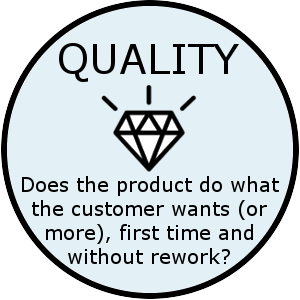
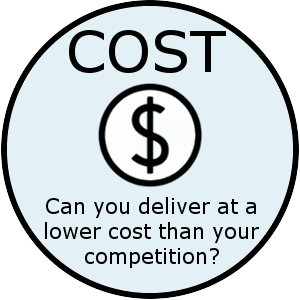
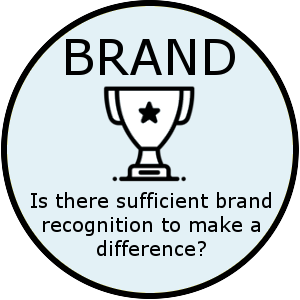
Disruptive companies are those that can deliver something a customer wants faster, cheaper, with better quality and sufficient brand recognition.  Think McDonald’s in the 1950s, the model T Ford in the early 1900s, the Apple iPod in the early 2000s or the iPhone in 2007, Uber disrupting the cab industry, Netflix disrupting DVD hire and Amazon disrupting retail.

All of them have at least three of these four in common:

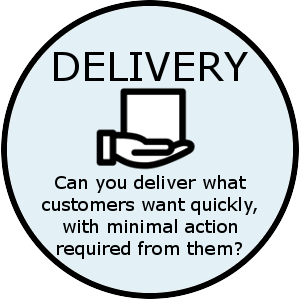
Disruptive DeliveryDisruptive QualityDisruptive CostDisruptive Brand

To take advantage of these customer driven measures, crush compliance and regulation, build your start-up to scale and move toward disrupting an industry, use the step-by-step framework of Lean CX for operational excellence.

Lean CX Lean Management Operational Excellence

Get “The Lean CX Score” book by David McLachlan now, and scale your business, crush compliance and regulation, and achieve operational excellence.

#6 Lean CX Comic – Complicated Work

Lean Comic Complicated Work

See all the Lean CX Comics here

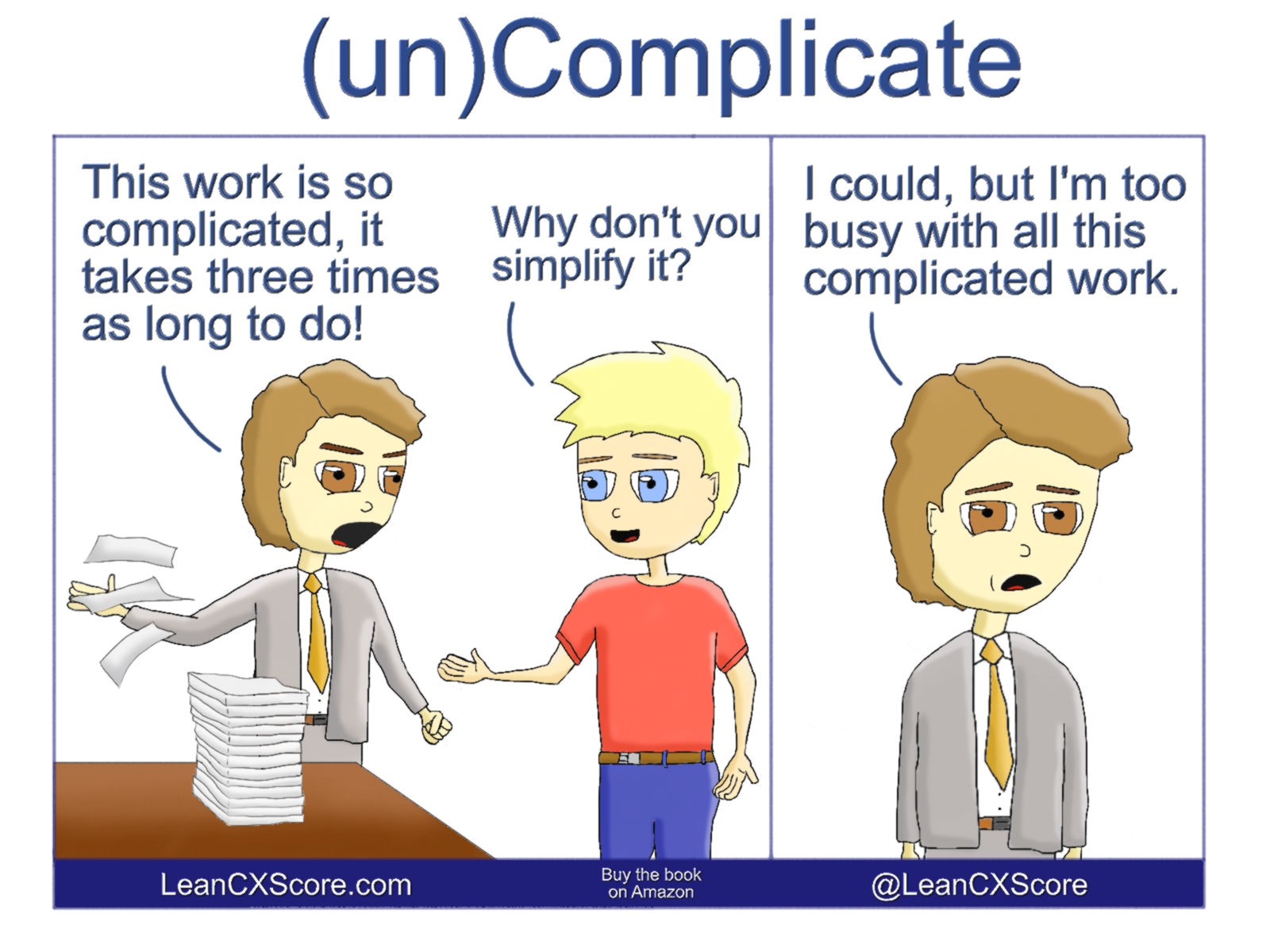
The Cycle Of Complicated Work

There’s a vicious cycle damning your business to mediocrity, and it’s the cycle of complicated work.

Whether it’s a product you sell, a website or app User Experience you are guiding people through, or a task that your team needs to complete, you are wasting some of your most precious resources and losing money as a result, if it’s more complicated than it needs to be.

But the worst part about it is if your work is complicated, there’s a higher chance that you will be so busy putting out fires, and not have the time to actually improve the work itself.  Many managers don’t even know how to design their team’s work for happiness and engagement, but more on this in a moment.

Not only does unnecessarily complicated work take more time, but time costs money, and the increased complexity also drains the attention and focus of your customers and staff.  Research has shown that “cognitive load”, or the brain cycles required to complete a task seriously impacts the likelihood of a person continuing to do something, or making mistakes and setting it aside.

Forming Habits and Complicated Products

That means that complicated things also damn the products you sell into a quagmire of mediocrity.  In his book, “Hooked”, Nir Eyal describes one of the key things necessary for forming a habit.  It is the action your customers need to take, and it should be as easy as possible for them to learn and engage in quickly.

Sure, some customers might put in a larger amount of effort than others, and they might stick with you when something isn’t immediately obvious, but the majority of people – both team mates and customers –  are more likely to leave if the work is unnecessarily complicated.

“Unnecessarily complicated” can actually be quantified, and it has been quantified in the book The Lean CX Score by David McLachlan.  In that book are outlined five key scenarios that contribute to complicated work.  If you remove them, you are many times more likely to enjoy the benefits of happier employees and returning customers.

They are:

  1. Rework, or having to do something more than once to get the required result,
  2. Waiting, or having to wait too long for something to occur,
  3. Excessive Hand-offs, or passing things around between departments, pages or applications,
  4. Excessive Steps, or having to perform too many steps that may not add value, and;
  5. Not getting what they want, or not receiving the actual outcome that was intended.

Lean CX is absolutely the key to designing your work in a mindful way that improves employee engagement, improves customer retention, reduces customer friction and seriously reduces cost.

That means that if you are one of those leaders who wants to improve their results and their team’s engagement and outcomes, but doesn’t know where to start, the absolute best place to start is with the step-by-step process of the Lean CX Score.

I highly recommend you check it out today.

See all the Lean CX Comics here

Lean CX ScoreGet "The Lean CX Score" now, and start creating disruptors in your industry that completely annihilate your competition.

Oh and good news!  You'll be improving the speed, morale and engagement of your teams at the same time.  Get the Lean CX Score now.
Lean CX Infographic – The Huge Benefits of Employee Engagement

Lean Infographic Employee Engagement Benefits

Get all the infographics here

It’s Official: Employee Engagement Has A Huge Impact On Your Profit

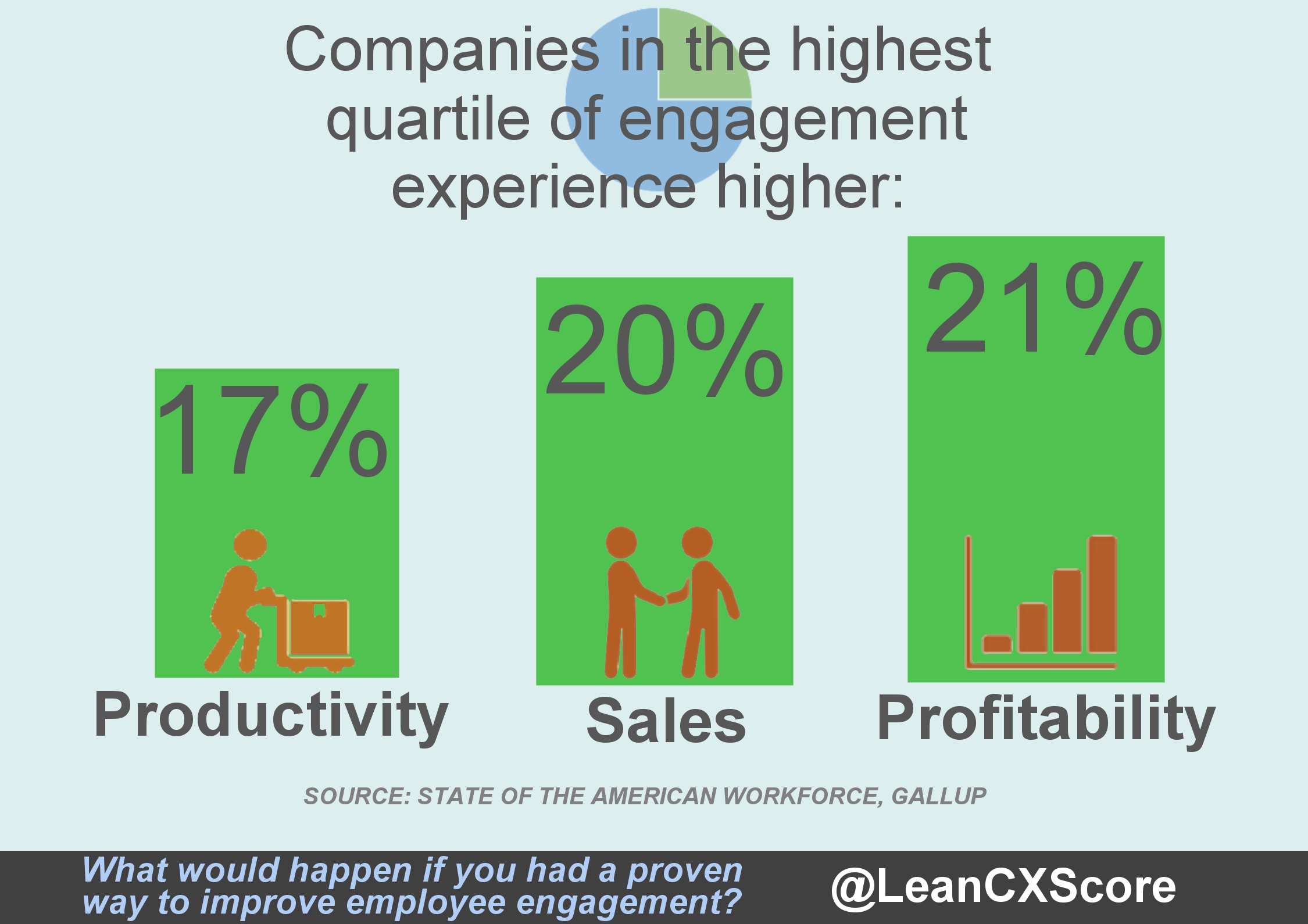
For years the greatest leaders have had an inkling that teams who are most engaged actually perform better, and bring more prosperity to their business.  Well now it’s official.  As the latest numbers from the Gallup Engagement Study show, in the state of the American workforce there is a very telling difference in the productivity, sales, and overall profit of businesses within the top quartile of engagement.

If employee engagement is something that you are struggling with, or even just want to improve, I have some good news.

There Is A Proven Way To Higher Engagement: Design Your Work

The Lean CX Score, a book by David McLachlan, outlines six key steps to creating disruptive products and services, and it also improves the speed, morale and engagement of your teams.

With the latest research pointing to the fact that engagement and profit are inexplicably linked, it may not surprise you that if the Lean CX Score impacts speed and morale, it also has a higher likelihood of creating disruptive products and outstanding businesses.

The six key steps of the Lean CX Score have been linked to research in psychology, business, and plain old motivation.  But the main aspect of all of them is the principle of intentionally designing your work, and intentionally designing your product and your experience, so that it meets the needs of your users in a way that keeps them engaged.

When we say “keeping them engaged”, it works for both your customers and your team.  Engaged customers are the ones who return to your product, again and again.  They are the ones who are your biggest fans, the ones who would walk an extra block to buy from you instead of your competitor.

And engaged team mates are the ones who will go the extra mile for their managers and for their customers – whether it is internal “customers” that they serve with a report or task, or the final, end customer who pays their wage by buying your product or service.

If you haven’t got a copy of the Lean CX Score, I highly recommend you check it out.  I guarantee it will have a huge impact on your life.

Get all the infographics here

Lean CX ScoreGet "The Lean CX Score" now, and start creating disruptors in your industry that completely annihilate your competition.

Oh and good news!  You'll be improving the speed, morale and engagement of your teams at the same time.  Get the Lean CX Score now.
Lean CX Infographic – Employee Engagement (and Disengagement)

Lean CX Infographic Employee Engagement

Get all the infographics here

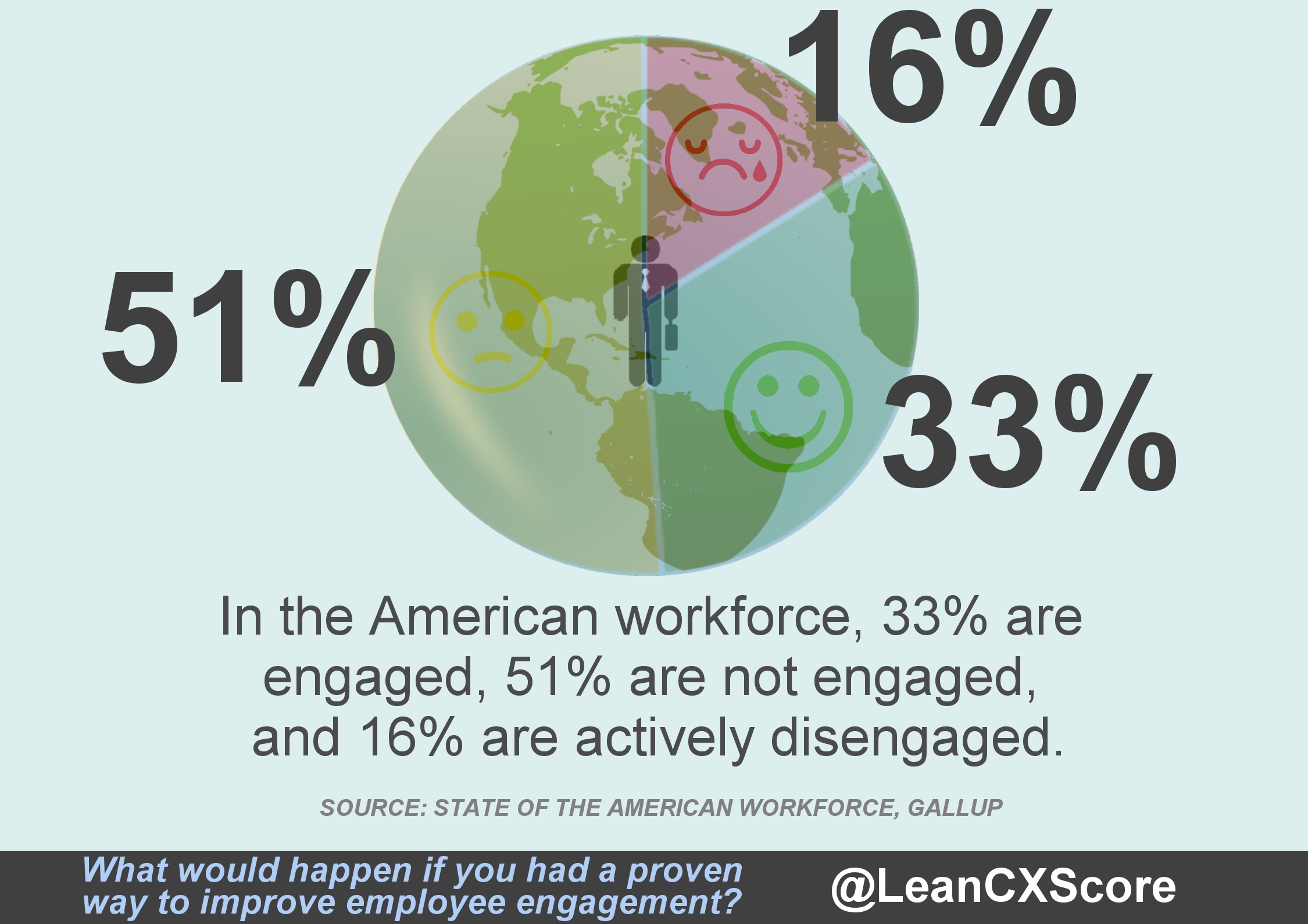
That’s Right – 67% Of Employees Are Disengaged At Work

And that’s just in the U.S, where people get coffee breaks and are paid more than two dollars an hour.  It’s even worse if we look at the broader world where those things aren’t guaranteed, factories can pay a handful of dollars with inhumane conditions and employees are not protected by basic laws.

But having 67% of your employees be disengaged is still pretty bad.  After all, disengaged employees are the ones who are more likely to leave, more likely to be sick on average, and even (according to the research) more likely to steal.

But there’s more, and it is discovered and outlined in the book, “The Lean CX Score” by David McLachlan.  In the Lean CX Score, David outlines the benefits of designing your work, and your products, properly.  And they all point to improved engagement and improved profit as a result.

For a start, disengaged team members or employees are six times more likely to leave their job than their engaged counterparts.  That’s a 600% difference.  Do you think it’s expensive to acquire customers?  Well it’s extremely expensive to find and hire good staff.  Between the downtime caused with a lost employee, to the cost of advertising, vetting resumes, interviewing, and training, it is much easier to keep them engaged in the first place.

Engaged team members are also more likely to make you more money.  A study by Kenexa found that businesses with highly engaged employees – those in the top quartile of engagement – achieved twice the annual net revenue on average, when compared to businesses with lower engagement scores.

It’s for these reasons that there are entire companies dedicated to the discovery of employee engagement around the world, and companies are lining up to buy their services.  Engagement matters.

But You Don’t Have To Suffer Through Low Engagement

If you’d prefer to live in the higher engagement end of town, there is good news.  You don’t have to suffer through low engagement scores, as a business owner, a leader managing a team, or a “leader without a title” inside a team of your own where you feel engagement could be higher.

Designing your work for happiness has been proven to have a huge effect on your employees, and it doesn’t have to be complicated.

Take just two steps in the Lean CX Score book – a Repeatable Process, and Checking In.

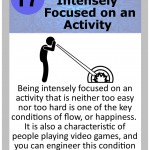
In 1961, a US psychologist called Mihaly Csikszentmihali interviewed 1000 peole, asking them about the circumstances that made them happy.  He called this happiness a state of “Flow”, when things went well, and things just seemed to flow well – when participants felt on top of the world.  Mihaly found five main things in common when it came to creating happiness.  It happened when his subjects were:

  1. Intensely focused on an activity,
  2. Had control over the outcome,
  3. That was neither too easy not too hard,
  4. That had a clear objective, and;
  5. That gave immediate feedback

The good news about this is having a Repeatable Process, whether it’s interacting with a product in a predictable way each time, or knowing the boundaries of your work so you can easily move into a flow state, has a deep impact on happiness and flow.

And Checking In, which is step five in the Lean CX Score, means we check regularly to see if we’re on track – with our customers, our users, or our team.

There are many more stories and a lot more research in the Lean CX Score book, making it a nice, easy read that will have a huge impact on your results.

I highly recommend you get yourself a copy today.

Get all the infographics here

Lean CX ScoreGet "The Lean CX Score" now, and start creating disruptors in your industry that completely annihilate your competition.

Oh and good news!  You'll be improving the speed, morale and engagement of your teams at the same time.  Get the Lean CX Score now.
Lean CX Infographic – The Ideal Shopping Cart Experience

Lean CX Infographic Shopping cart abandonment Form Fields

Get all the infographics here

Customers Are Leaving Your Online Shopping Cart

Recent research by the Baymard Institute found that up to 69% of customers were leaving your online shopping cart instead of buying your product or service.

They also found that 35% of those online abandonments were recoverable solely through a better checkout flow and design – in other words most businesses are making things more complicated than they should be, and customers are leaving as a result.

Needless to say, keeping even a small portion of these abandoned orders would have a significant effect on your profit as a business.  But the best part about it is that it makes sense, because I know I have been guilty of leaving a complicated shopping cart, and there’s a good chance you have too.

Fast and Easy, or Long and Complicated, Which Would You Prefer?

If you had a choice between your checkout experience being fast and easy, or long and complicated, which would you choose?  It might seem like a silly question – even an obvious one – when we put it like that, but the truth is most companies are answering “Long and Complicated” without even knowing it.

They’re answering “Long and Complicated” because they haven’t put in the work or thinking necessary to reduce the complexity in their shopping cart and make it as simple as it needs to be.  And they haven’t put in the thinking because they don’t have a simple step-by-step framework like the Lean CX Score that is proven to make it simple and improve their profit as a result.

Reduce The Steps, Reduce The Checkout Fields

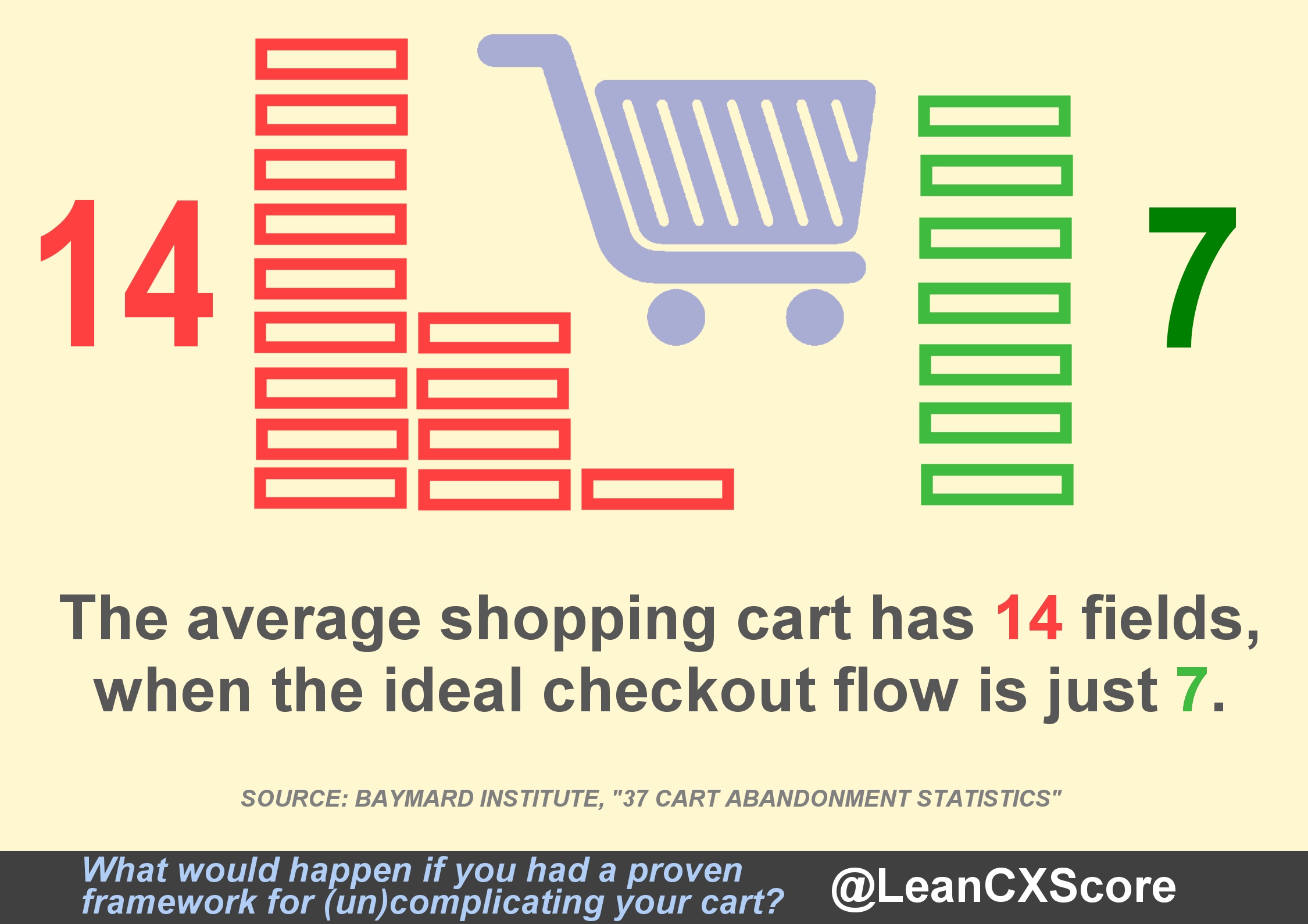
The latest research by the Baymard Institute found that the average online shopping cart had more than 14 form fields for a customer to fill out.  But the shocking thing is they also found that the ideal customer flow included just seven form fields – around half of what most companies had.

Companies were making it more complicated than it needed to be, which prompted a reduction of 35% of customers in buying their product or service.

Amazon Did It In One Step

Of course you know the story by now – there’e a good chance you have used Amazon.com’s online shopping cart and in many cases, such as with their prime service or Kindle store, you can buy what you want in just one click.  If customers leave too often with 14 fields, and a checkout can be done in 7, then Amazon have taken it to the next level and reduced the steps to one.

Do you think that had an effect on their profit?  Of course.

Doing things in “One Step” is also one of the recommendations in “The Lean CX Score”, by David McLachlan.  In that book there are many more real life examples of companies getting things to a customer in “One Step” instead of many, and gaining stellar results.

There are also five scenarios similar to the “too many fields” dilemma, where customers are prompted to leave a company.  Outlined in the “The Lean CX Score”, they are scenarios where a customer leaves because their experience is harder than it needed to be.  Apart from extra steps, it might mean extra hand-offs, having to redo things over and over, and having to wait too long to get what they wanted.

If you haven’t read The Lean CX Score yet, I highly recommend you get a copy today.

Get all the infographics here

Lean CX ScoreGet "The Lean CX Score" now, and start creating disruptors in your industry that completely annihilate your competition.

Oh and good news!  You'll be improving the speed, morale and engagement of your teams at the same time.  Get the Lean CX Score now.
Lean CX: (un)Complicate

Lean CX uncomplicate

(un)Complicate – Don’t Be Fooled By Complicated Things

Have you ever had someone explain something to you, but the way they explained it was just too complicated?  And no matter how they tried, it just got more confusing, not less.
Here’s some good news – it’s not your fault that it seemed complicated.  It’s not uncommon for some people to try and confuse things to make you comply, or to try and make you feel less because you don’t understand.  But the real reason something might seem complicated is that if someone doesn’t understand a topic well enough, then they cannot explain it simply.

Einstein Agrees

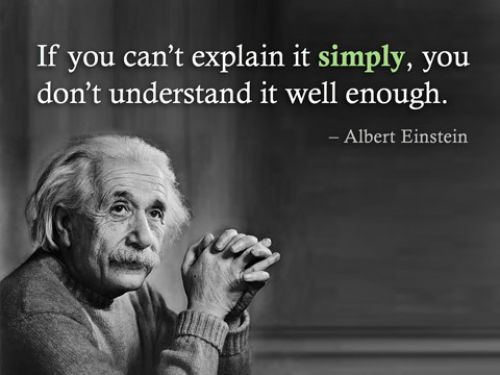
Einstein wrote: “If you can’t explain it simply, you don’t understand it well enough.”  In other words, complicated things, products and complicated explanations are not the result of people being smarter than you – they are actually the result of people not understanding it well enough to make it as simple as it should be.  Complicated things are the result of lazy thinking – things that haven’t been thought through well enough to be explained in simple terms.

And the same goes for your business, your products, and your team.

Uncomplicate

The Simple Truth About Complicated Things

It might seem like a paradox then, that in making things simple it actually takes more work, more thinking, and more intelligence initially.  You have to do the thinking on where to reduce steps, where to perform steps more concisely, or how to get the outcome more quickly and efficiently.

And that is the kind of thinking that most people either don’t know how to do, or worse, can’t be bothered doing.  After all, how many times have you been forced to do something at work in a more complicated way than it should be, or forced to jump through more hoops in getting a product from a company than you needed to?  And it wasn’t because it had to be done that way – many times it was simply because it had always been done that way, and the complicated way became the default over time.

The good news is that The Lean CX Score offers you a repeatable framework for making things simple – the opposite of complicated – (un)Complicated.  You can improve your work, your business and your products, and improve the opportunity for customers to buy from you as a result, using a simple, step-by-step method.

(un)Complicating Things Also Improves Sales Significantly

Every time a process is more complicated than it should be, and your customer is forced to go through it, you are increasing the chance that they will leave you.

“Breakpoints” are those places in your customer experience where a customer will leave, never to return.  The Lean CX Score outlines five of the most common customer breakpoints, and how to solve them.  Here are some examples:

By having too many steps in the customer experience – every extra step is another “breakpoint”, that could be a prompt for a customer to leave.

By having too many hand-offs in the customer experience – every extra hand-off is a breakpoint that is an opportunity for a customer to leave.

By making a customer redo things more than once – every extra time they have to redo it is a breakpoint that will frustrate a customer to the point of leaving, and;

By making customers wait too long for something – every minute longer is another reason for a customer to break up with you and leave.

(un)Complicating Things Also Reduces Costs Significantly

Let’s think about simplicity from a cost perspective.  By reducing steps in your customer experience you are reducing the work to be done to get the customer what they wanted.  By reducing the work to be done you are reducing the cost of the work.  By reducing the cost of the work you are improving the profit of your business.

It’s the same principle whether you’re thinking about your supply chain in business, or your value chain in delivering goods and services, or the processes you go through to get the outcomes you want.  Every time you reduce steps, reduce hand-offs, reduce waiting and any other Lean CX Waste, you are giving yourself the opportunity to get ahead.

You Don’t Have To Start From Scratch

If you’re ready to (un)complicate your business and your products, and put in the initial thinking required to make things more simple, the good news is that you don’t have to start from scratch.

The Lean CX Score provides you with the exact, step-by-step framework you need to (un)complicate and start seeing the success you deserve.  If you haven’t already, I highly recommend you get a copy.

Lean CX ScoreGet "The Lean CX Score" now, and start creating disruptors in your industry that completely annihilate your competition.

Oh and good news!  You'll be improving the speed, morale and engagement of your teams at the same time.  Get the Lean CX Score now.